From high peaks to the depths of the ocean, plastic is everywhere — even in the air we inhale and the water we consume, leaving traces of microplastics . Silent pollutants are making their way into our bodies, with lasting impacts on both ecosystems and human health. We don’t have to solve the entire problem at once — we can begin in our schools, with small daily habits. By taking intentional actions, campuses can serve as a launchpad for sustainability, shaping a brighter future for the Earth.
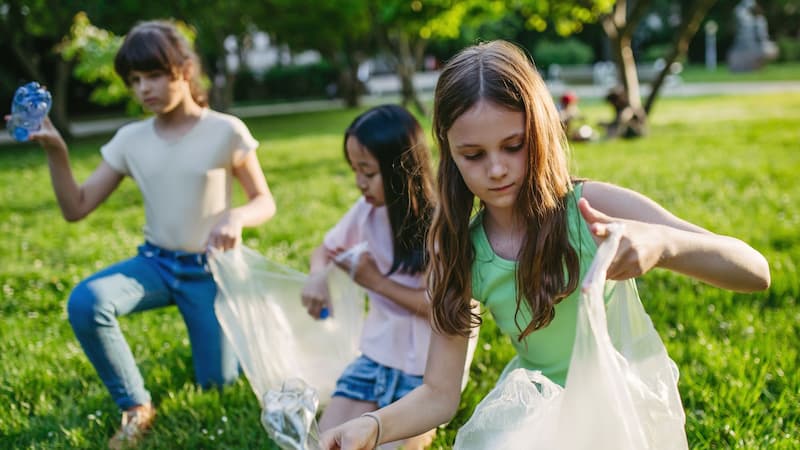
Here are 4 concrete and doable ways to foster a culture of sustainability — simple for teachers and students alike to put into action.
1. Semester-long sustainability courses extend learning from school to home.

Environmental sustainability education should be an ongoing and comprehensive process. Instead of just "enforcing restrictions", solid education helps everyone grasp "why such measures are important".
- Course Design : Schools can plan at least one class per semester theme-based environmental education. The content should go beyond the harms of plastic, covering a wide range of topics such as the sources and impacts of microplastics, the latest recycling regulations, eco-friendly consumer choices, and sustainable living practices.
- Encourage Bringing Your Own Tableware : Make bringing reusable tableware part of classroom practice, helping students adopt sustainable habits from everyday routines.
- Educational Outreach : Encourage students to create a "family eco checklist" and share it at home. By empowering students, sustainability concepts can spread from schools to homes, creating a positive cycle of knowledge and fundamentally changing daily habits.
- Expert Talks : Regularly invite environmental organizations, academic experts, or sustainable brands to share hands-on experiences in an engaging way, deepening the audience’s awareness of environmental issues.
2. Reward eco-friendly behavior to make green actions routine.

Sustainability shouldn’t feel like a chore — it should be an easy and rewarding choice. Foster the habit of using personal reusable cups and straws. The most effective approach is through positive reinforcement.
- Work with Nearby Stores : Collaborate with school or nearby stores, restaurants to offer discounts or loyalty points to customers who bring their own reusable tableware.
- Set Up an "Eco-Friendly Station" : Set up a prominent “Sustainability Corner” in school or office cafeterias, pantries, or stores. Offer or sell natural, biodegradable alternatives like grass straws.
- Clear Communication : Set up clear signs at every stations to show why these eco-products were selected, and their advantages. Guide proper recycling or disposal. In this way, consumers can see how each green choice they make contributes to the environment.
3. Launch campus and community eco-challenges to spark creativity and pride.

Traditional class advocacy alone may fall short. Fun and interactive competitions can spark students’ creativity and pride, making eco-friendly practices both enjoyable and challenging.
- Creative Sustainability Challenge : Schools can launch competitions like "Plastic Bottle Creations" , "Eco Slogan Design" or "Upcycling Challenge" giving students the chance to express their creativity while exploring environmental issues.
- Sustainable Project Competition : Encourage students create project proposals for real-world campus sustainability solutions, like setting up a food-waste recycling system or hosting a zero-waste school fair.
- Encourage Join External Competitions : Expand the scope beyond campus by providing resources or guidance, encouraging students to enter sustainability or science competitions and bringing their on-campus projects to the wider community.
4. Organize outdoor field trips to take sustainability education beyond the classroom.
"Seeing is believing" When students move beyond the class and witness environmental issues firsthand, the impact is far greater than anything a textbook can offer.
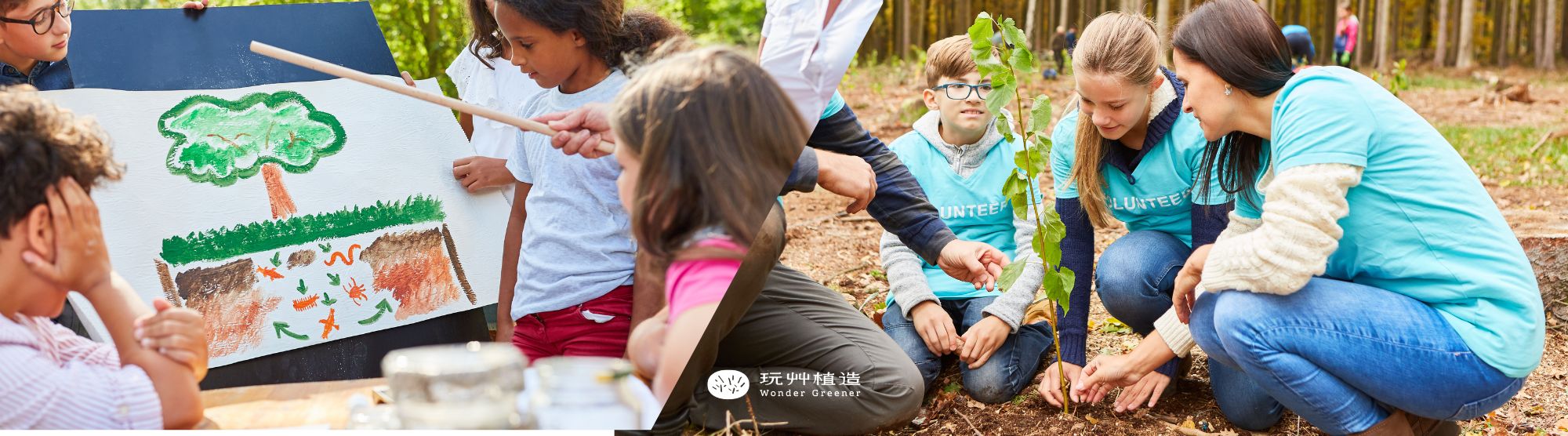
Schools and companies can organize regular field visits, bringing students or employees to places such as :
- Incineration Plants : See firsthand where waste ends up and how resource recovery works. It’s a powerful reminder that every piece of trash carries a real cost — source reduction matters.
- Environmental Education Centers : Through interactive exhibits, students can learn about resource circulation and ecological conservation. At the New Taipei Environmental Education Center, they can even pedal a bike to generate electricity — a direct way to experience the value of clean energy.
- Green Buildings or Sustainable Businesses : Learn how companies integrate sustainability into building design and daily operations, making abstract corporate social responsibility (CSR) tangible.
These hands-on experiences fundamentally inspire participants’ sense of environmental responsibility and spark their imagination for future possibilities in sustainability.
Sustainability on Campus : Daily Life Creativity
The appeal of sustainability education lies not only in theory but also in practical, everyday applications. Many excellent sustainability topics allow teachers and students to explore endless creativity in daily life, such as :
- Waste Reuse : Transform banana fiber waste into paper, or recycle plastic bottles into shoes and bags, giving discarded materials a new life.
- Ingenious Use of Natural Materials : Use black soldier flies to process food waste, or discover that coffee pulp can be brewed as tea, reducing overall waste generation.
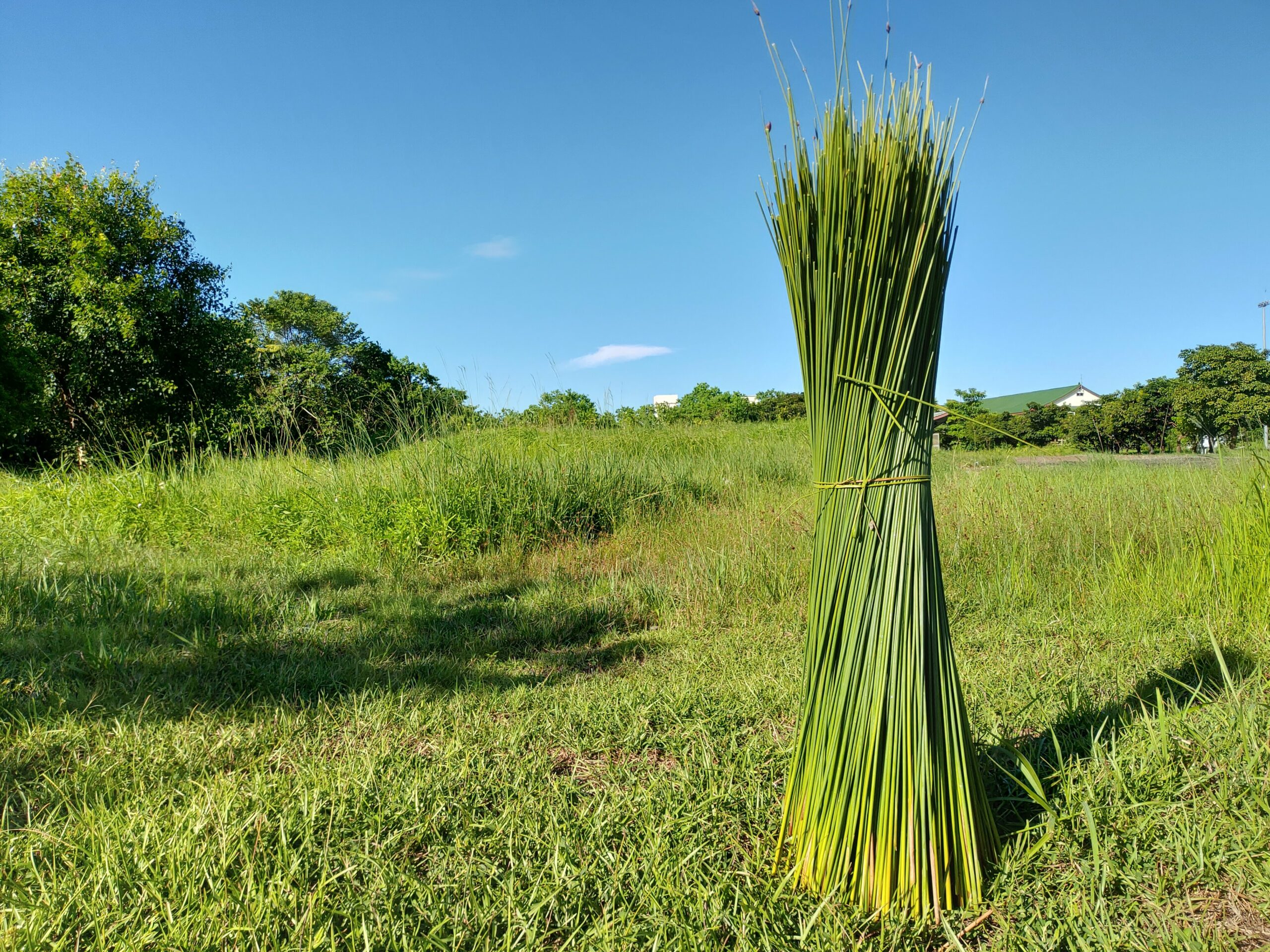
And "Grass Straw" is an excellent topic for sustainability education. Not only does it offer a biodegradable, eco-friendly solution, but its natural materials also provide a rich source of hands-on creativity for teachers and students. Its presence demonstrates that sustainable solutions can be simple, natural, and endlessly inspiring.
A Single Grass Straw, whole Sustainability Story
Grass straws : more than an alternative, a complete story of sustainability.

- Natural Materials & Sustainable Cultivation : Grass grows in natural wetlands and is cultivated without pesticides, insecticides, or herbicides, protecting both the health of the land and the farmers.
- Simple Processing & Natural Properties : Grass undergoes simple processes such as washing, cutting, and drying to become ready-to-use straws. They remain firm for at least eight hours, effectively replacing plastic straws. Although single-use, they fully decompose in nature without leaving any microplastics, making them a truly eco-friendly choice.
- Protecting Ecosystems & Returning to Nature : After use, grass straws can be safely discarded into compost or buried in soil, returning to nature. During cultivation, grass fields also provide habitats for birds, insects, and other wildlife, achieving both ecological and economic harmony.
This small straw perfectly embodies the sustainability principle of “from the land, back to the land,” showing that eco-friendliness and everyday convenience are never mutually exclusive.
Start with a Straw, Create a Sustainable Future
Start with one straw and turn these ideas into action.
Let’s build a truly sustainable green future for our schools, businesses, and society.