Driven by the tightening of single-use plastic bans and the launch of ESG indices, global hotel and F&B groups are swiftly announcing "plastic reduction initiatives." Many brands opt to replace traditional plastic straws with "plant-fiber or biodegradable alternatives," specifically products labeled as "PBS straws" or "PLA biodegradable straws. But infact, these straws often remain "plastics derived from industrial processes". Used in the wrong environment, they will neither decompose nor prevent microplastic pollution. If you operate a hotel, resort, or F&B brand, this article will show you how to avoid greenwashing traps and genuinely strengthen your ESG profile. There are 3 Critical Keys to Straw Selection.
Key 1: Don't Be Misled by "Biodegradable, Compostable, or Plant-Fiber" Claims
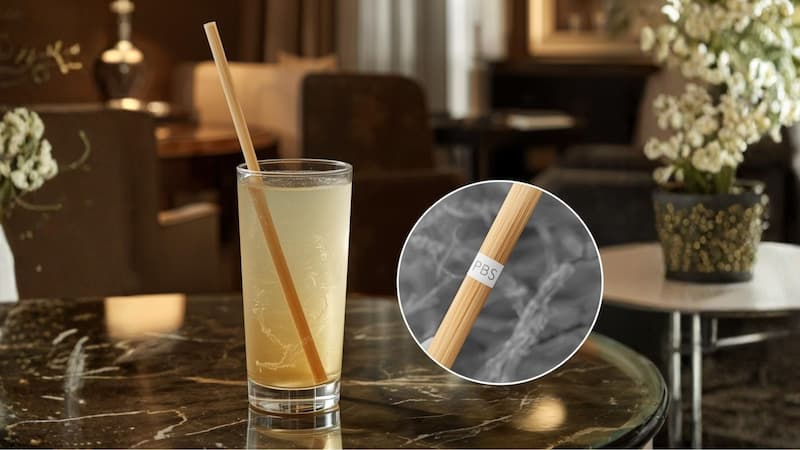
Many "eco-friendly straws" currently on the market are, in fact, based on PBS(Polybutylene Succinate) or PLA(Polylactic Acid). While a portion of the raw material is derived from plant sugars or starches, these substances still require chemical polymerization and high-temperature processing.
What's the result?
- These straws are labeled "biodegradable," actually require specific conditions (high temperatures, specific microorganisms, controlled humidity) to decompose
- Once introduced into general waste streams or the natural environment, they will still fragment and become microplastic pollution.
- Many suppliers even fail to disclose the proportion of plant-based ingredients, resulting in information asymmetry.
This type of product, seemingly eco-friendly, yet still a "deformed version of plastic."
Public trust in "Biodegradable, Compostable, Plant-Fiber" products is eroding.
💡 Key Takeaways
If you intend to highlight "plastic reduction performance" in your sustainability report, using PBS or PLA straws may not necessarily pass third-party audit verification. Furthermore, some countries have already banned single-use PLA products, and relying on them may even be categorized as "Greenwashing."
Key 2: Sustainability is not a cost, but trust
According to Booking.com's 2024 Sustainable Travel Report, there are 78% of travelers prioritize choosing accommodation brands that claim to be eco-friendly. However, at the same time, there are also 56% of travelers distrust corporate "green claims.
In other words, sustainability is no longer merely about image; it is the currency of trust.
When hotel procurement teams purchase "biodegradable / plant-fiber straws" while overlooking their manufacturing process and degradability, the resulting exposure by media or customers—revealing them as "essentially still plastic products"—can lead to a loss of brand credibility that far outweighs the few cents saved in cost.
💡 The truly sustainable strategy is to ensure transparency from the raw materials and honesty in the manufacturing process.
Key 3: Choose the Material That "Naturally Reverts" — Grass Straws
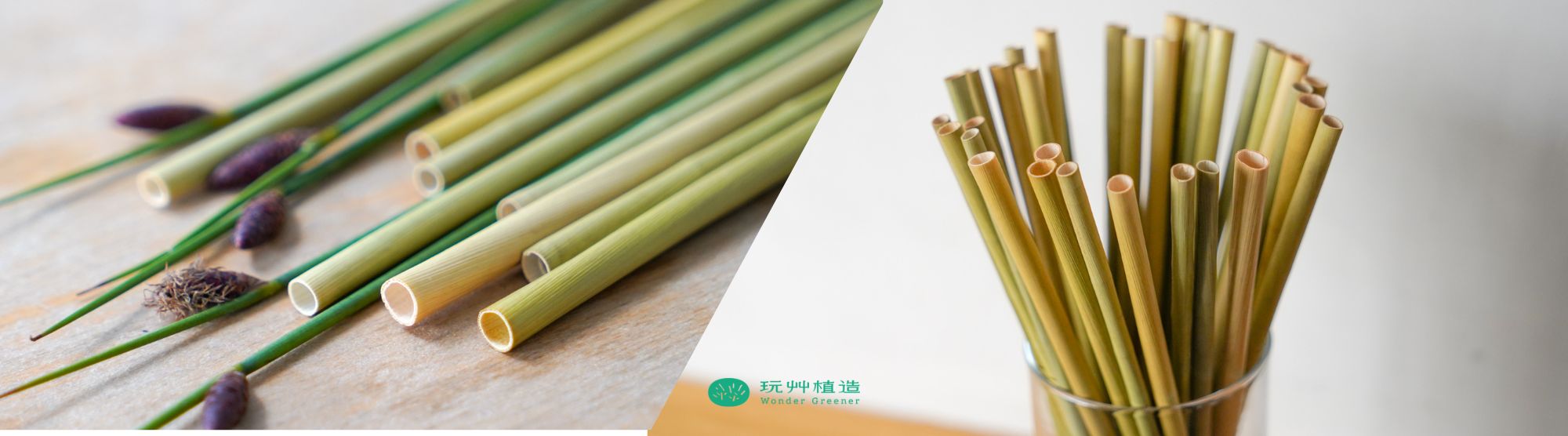
Among the multitude of available alternatives, Grass Straw now being adopted by international hotels that is not a chemical polymer, but be made of natural plant stem, free of PBS, PLA, or other polyester plastics.
Why Grass Straws are the Ultimate Sustainable Choice for Hospitality?
- Completely Natural, Zero Chemical Polymers: Sourced from pure plant stems, the straw requires no high-energy manufacturing.
- Fully Decomposable in Nature: Fully degrades in soil or water within 60–90 days, leaving zero microplastics.
- Suitable for All Beverages, Consistent Quality: Forget softening paper and costly bamboo: Grass Straws maintain taste integrity.
- Elevate Brand Sustainability Profile: Natural texture immediately conveys "genuine eco-friendliness" to guests.
From "Regulatory Compliance" to "Value Creation"
While many hotels use eco-friendly straws mainly for compliance, leading brands embrace sustainability as a value-driven marketing strategy.
When a customer encounters a natural Grass Straw in their beverage, they not only feel the brand's authenticity, but are also motivated to take photos, share, and become the brand's organic advocates. True sustainability success is built on resonance, not cost.
Hotel Plastic Reduction: Be More Than Just a Formality
The emergence of bioplastic straws such as PBS and PLA was indeed an important step for the catering industry in its move towards environmental sustainability.
However, when this initial step turns into another greenwashing game, it's time to point out — 綠色不是顏色,而是行動.
Grass straw leveraging plant-based, chemical-free, naturally decomposable attributes,
make the hotel industry can truly realize a "sustainable cycle from beverage to land.
Next time you select a straw for your brand, keep this guiding principle in mind:
"True eco-friendliness is not about looking green, it's about returning to green."
指的是企業或品牌,透過「誇大、模糊或不實」的行銷手法,讓消費者誤以為其產品或服務對環境非常友善,但實際上對環境的效益卻微乎其微,甚至根本沒有。
紙吸管:原料來源不明、製造過程更耗能、黏著劑/防水塗層可能會溶解,且無法回收。
PLA吸管:在自然環境無法被分解,只能在「工業環境高溫高濕度下」分解,現有回收體系無法處理。
植物吸管通常指由「整株植物」直接做成的吸管,例如:蒲草吸管、小麥吸管、竹吸管、蘆葦吸管。
植物纖維吸管則是將「植物纖維打成粉、加入生物塑膠(PBS、PLA 等)」再製成吸管,本質上仍是塑膠製品,例如:甘蔗渣吸管、咖啡渣吸管、茶葉渣吸管、玉米渣吸管。
不是。植物纖維吸管雖然名字聽起來自然,但它必須加入 PBS、PLA 等生物塑膠原料才能成型,因此不屬於天然植物吸管。
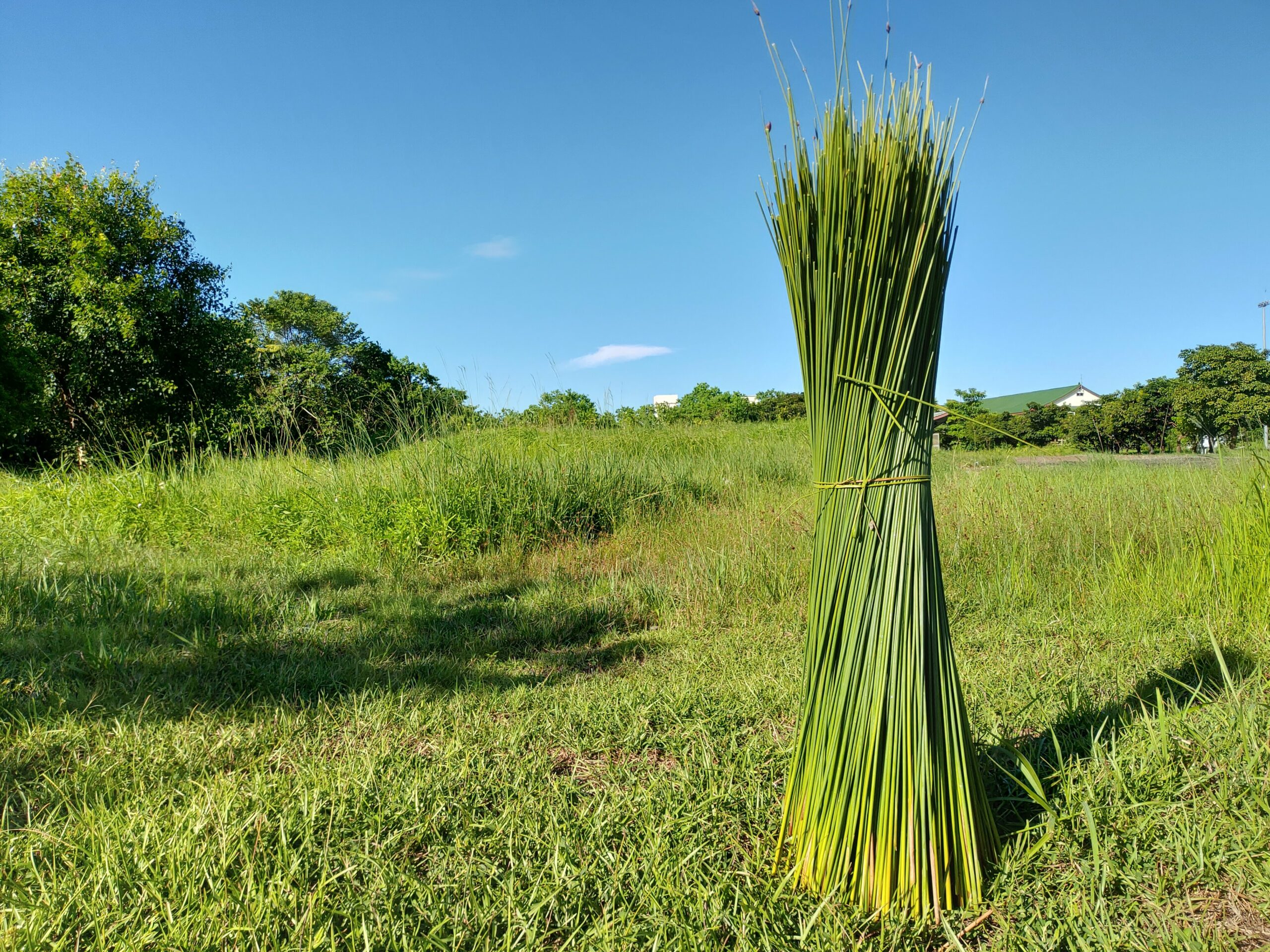
蒲草吸管是用一種叫做 蒲草(Lepironia Articulata) 的植物,直接裁切、烘乾後做成的。蒲草本身具有天然的中空結構與堅韌纖維,因此天生就長得像吸管,不需要加工,也沒有任何添加物。保留了植物原本的顏色、紋路和粗細,所以每一支都是獨一無二的存在。
其實蒲草以前常拿來做榻榻米,如今變成更環保的日常選擇。