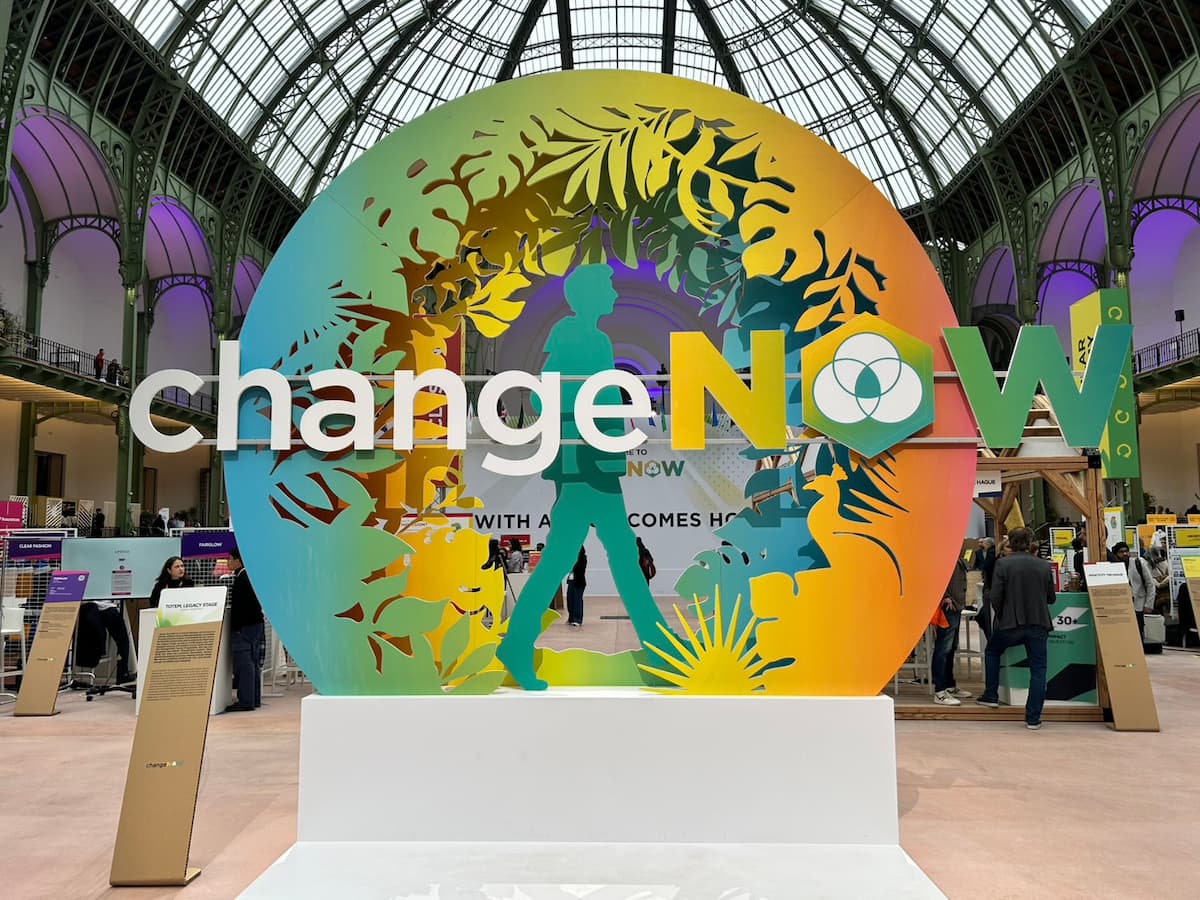
Navigating the Green Claims Directive: Why Visionary Ideals Are No Longer Enough for F&B Brands to Communicate Sustainability
As sustainability shifts into the realm of formal regulation and compliance, 品牌永續不再只是價值主張,而開始影響企業的溝通風險。對餐飲品牌而言,過去被視為加分項的永續行銷,正在被要求具備更清楚、也更可被檢驗的基礎。
📌 永續不再只是「做了什麼」,而是「你能不能證明你做了什麼」。
這不是消費者突然變得更挑剔,而是制度正在重新定義「可信任溝通」的邊界。
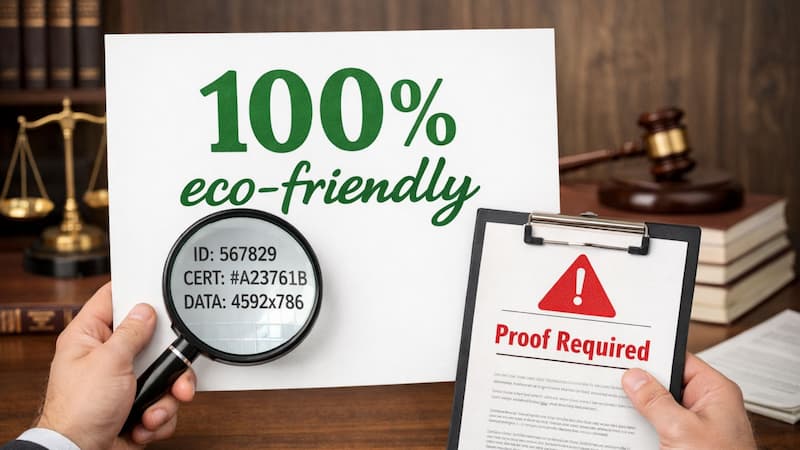
When Sustainability Becomes Verifiable
In the past, sustainability in brand communication was often a statement of stance:
- Environmental Advocacy
- Plastic Reduction
- Utilization of Eco-friendly Materials
While such language was effective for a time and met market expectations, the landscape has shifted significantly in recent years.
As sustainability policies transition from "encouraging action" to "demanding accountability," a brand's environmental communication is now being scrutinized through the lens of corporate governance: 不再只是行銷問題,而是「合規與風險管理」的一部分.
The EU: Why "Green Claims" Have Become a Regulatory Focus
In 2023, the European Union formally proposed the Green Claims Directive(GCD). Its core objective is not to stifle corporate sustainability dialogue, but rather to mandate that 任何環境相關宣稱,都必須有可驗證、可比較、可追溯的依據.
This implies that:
- "Eco-friendly," "biodegradable," and "low-carbon" are no longer marketing adjectives.
- but have become statements that demand empirical proof
Even as the directive remains in the legislative process, it clearly signals a definitive direction:
未來的永續溝通,將被視為一種「需要負責的資訊揭露行為」。
The UK and Germany: When Market Regulators Intervene in Brand Language
The Competition and Markets Authority (CMA) in the UK has introduced the 綠色宣稱 Green Claims Code, which has become a pivotal benchmark for brand and advertising communications.
The code explicitly mandates that:
- Environmental claims must be specific, transparent, and non-misleading.
- The basis for any comparisons must be clearly defined.
- Critical conditions or limitations must not be omitted.
In Germany, market regulatory mechanisms now mandate that corporations bear the burden of proof for any environmental claims, a shift that has already led to several high-profile legal precedents and litigation cases.
The collective message conveyed by these frameworks is clear:
“Sounding persuasive” is no longer an advantage—“being verifiable” is.
Why are F&B brands under such intense scrutiny?
The food and beverage industry possesses a unique characteristic rarely seen in other sectors: sustainability choices are highly visible and occur within the fabric of daily life.
一次性餐具、包材、外帶體驗,都是消費者可以立即感知的接觸點。也因此,當品牌在這些環節提出永續宣稱時,特別容易成為監管與輿論關注的對象。這不是因為餐飲業溝通得特別誇張,而是因為「它的永續承諾,太容易被拿來對照現實」。
As brands begin to realize that "miscommunication" itself is a risk
An increasing number of F&B companies are identifying a new source of pressure:
It’s not that they aren’t doing enough, but that they don’t know what can be said safely.
This is because once a sustainability claim is called into question, the impact extends far beyond brand image; it can escalate into:
- Regulatory Investigations
- Legal Risks
- A Rapid Erosion of Brand Trust
📌 This is precisely why brand communication is undergoing a strategic shift from "amplifying value" toward "controlling risk."
Sustainability communication is evolving from a creative challenge into a structural one
When sustainability requires proof, it’s no longer just a copy or design challenge.
Whether a brand can confidently discuss its sustainability efforts depends on several underlying factors:
- Is the brand aligned with shifting regulatory frameworks?
- Does the brand fully understand the origins and impact of its sourcing?
- Does the brand know which claims or materials carry legal or reputational risk?
Under these conditions, sustainability communication is no longer an isolated action; it has become an extension of a brand's holistic decision-making process.
Why Is This Key to Long-Term Brand Competitiveness?
From a long-term perspective, this shift is not entirely a negative development.
As the market gradually filters out vague and over-packaged sustainability claims, it creates a unique opportunity for brands that truly understand the structural landscape and make robust, informed choices.
These brands can build a deeper, more enduring trust with their audience.
This trust is not earned by saying more, but by aying exactly enough—and ensuring that what is said is definitively defensible.
Back to the start of this content thread
In this series of articles, we have unfolded the narrative across three distinct levels:
- Policy is shifting direction.
- Materials are becoming units of risk.
- Decision-making is becoming increasingly difficult.
At the level of brand and communication, these issues are now fully interconnected.
📌 As sustainability becomes institutionalized, a brand's ability to withstand "scrutiny" will become its ultimate competitive differentiator.
Why We Choose to Prioritize Policy Research Over Communication Tactics
Because sustainability communication must now be verifiable, we start with policy to build understanding. Our goal isn’t to teach brands what to say, but to prevent statements they may later need to retract.
To date, we have completed and released our first 《Sustainability Policy White Paper》This document helps F&B operators understand how policies shape boundaries, influencing material choices, strategy, and communication.
When You Don’t Just Talk Sustainability,
But Make It Stand Its Ground
If your concern is more than just brand image
but how to discuss sustainability consistently and confidently for years to come
then understanding policy and structure is more reliable than any marketing tactic.
紙吸管:原料來源不明、製造過程更耗能、黏著劑/防水塗層可能會溶解,且無法回收。
PLA吸管:在自然環境無法被分解,只能在「工業環境高溫高濕度下」分解,現有回收體系無法處理。
指的是企業或品牌,透過「誇大、模糊或不實」的行銷手法,讓消費者誤以為其產品或服務對環境非常友善,但實際上對環境的效益卻微乎其微,甚至根本沒有。
- Bloger 3Bloger 3
- Bloger 2Bloger 2
- Bloger 1Bloger 1
- 這是問題
這是答案