In recent years, global awareness of plastic reduction has been on the rise. Since July 2019, Taiwan’s Environmental Protection Administration has banned the use of single-use plastic straws— a real pain in the neck for many restaurant owners.
This article is based on feedback from over 1,000 food and beverage businesses. We’ve compared various eco-friendly straws in terms of ease of use, customer acceptance, and purchasing cost. The goal is to provide restaurant owners with a practical reference to help choose the most suitable straw for their specific needs—supporting environmental policies while also enhancing customer satisfaction.
Single-Use Disposable Straw
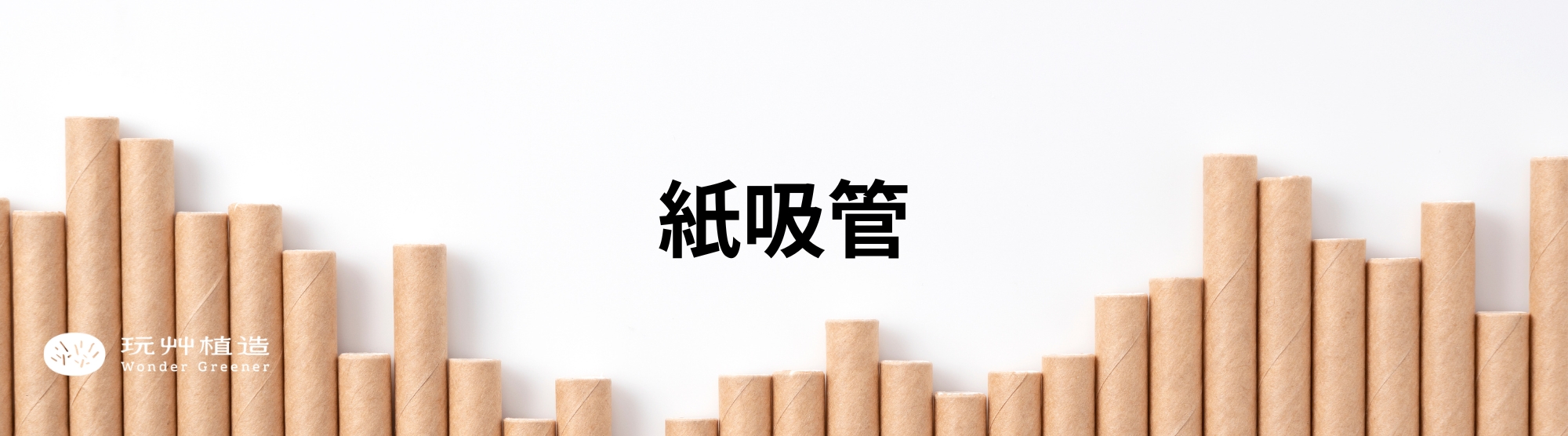
Paper straws are primarily made from paper pulp and have been commercially available since the 19th century. To address the issue of paper straws becoming soggy when wet, manufacturers add chemicals* during production to improve their water resistance and durability. However, these chemicals not only contribute to environmental pollution but may also raise health and ecological concerns.
- Ease of Use:
Tends to absorb water and become soft; not suitable for warm or hot drinks, which affects the customer experience. - Customer Acceptance:
Most customers report disliking the soggy, mushy texture after the paper gets wet—some even find the straw deforms before they can finish their drink. - Procurement Cost:
NT$0.5–2 per straw
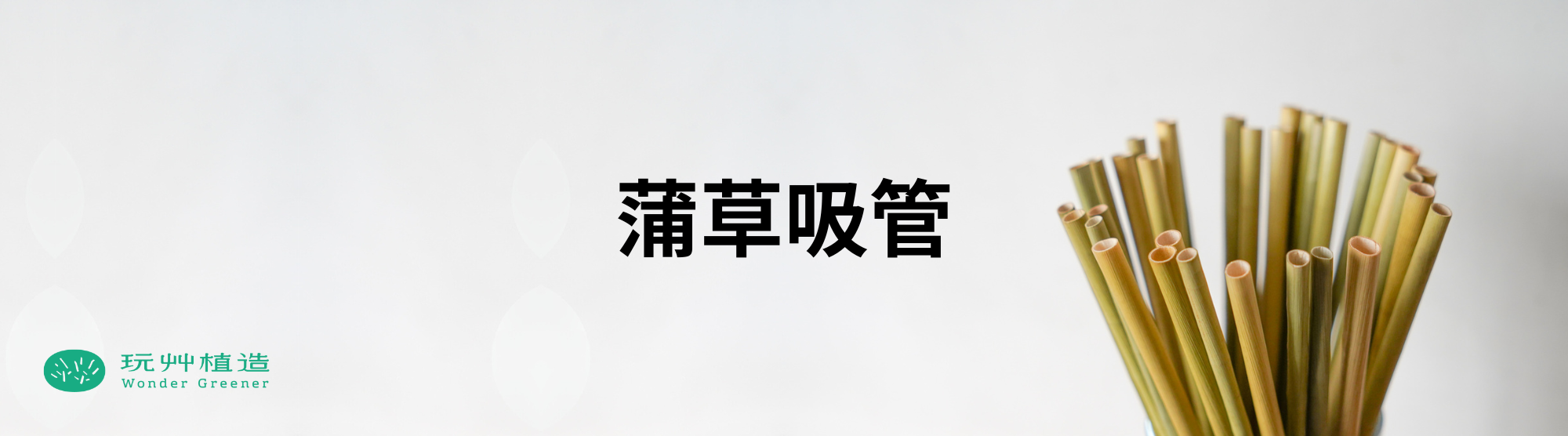
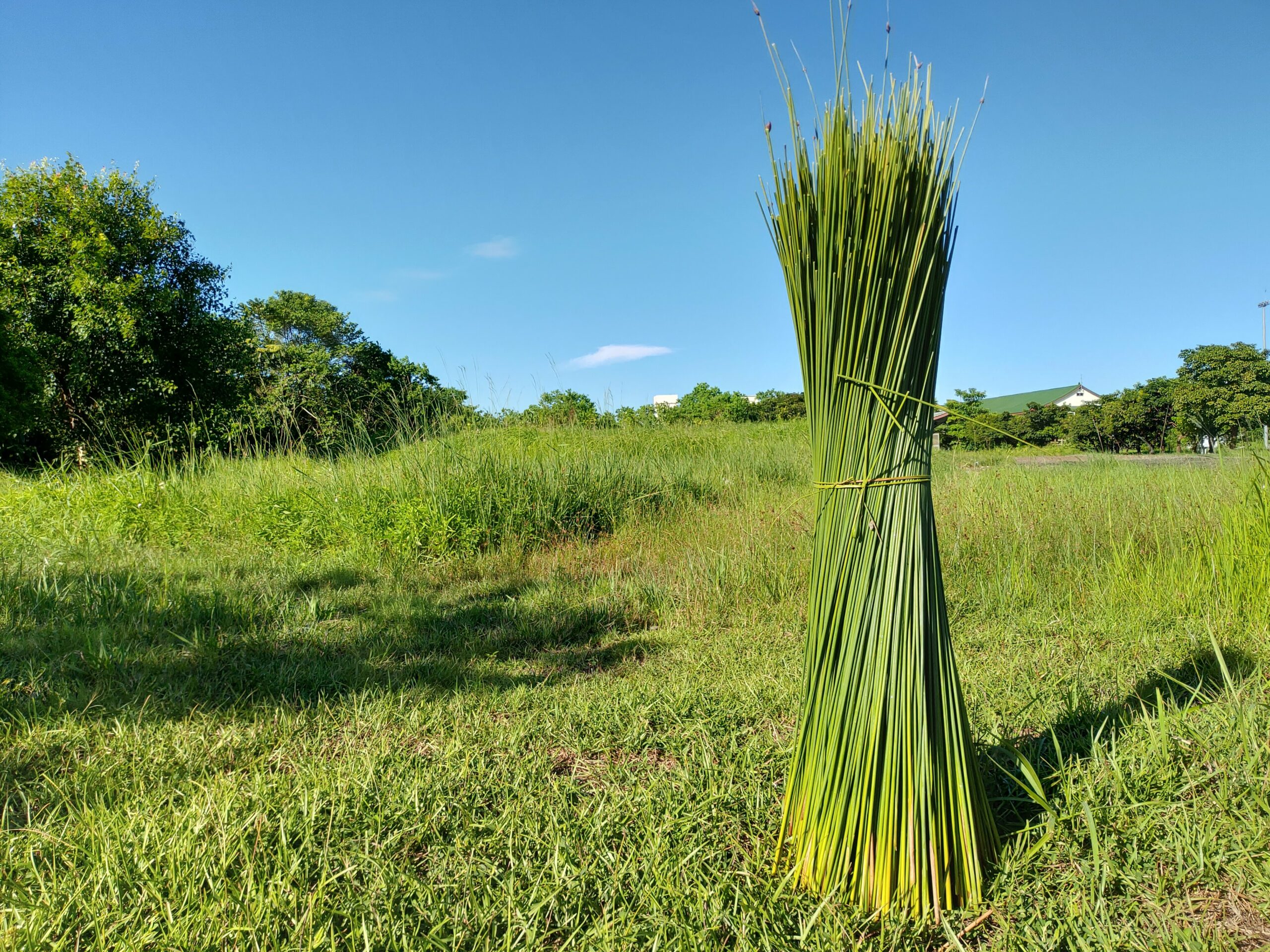
Grass straws are made by naturally hollow stems, preserving the plant’s original form and aligning with today’s health-conscious and eco-friendly lifestyle. Their stability and pleasant user experience help boost customer satisfaction. Most importantly, they can be tossed directly into the food waste bin after use and decompose naturally—offering both environmental sustainability and convenience. In the age of sustainability, they represent a new and promising choice for eco-friendly disposables.
- Ease of Use:
Sturdy and durable—can pierce sealed drink films and is suitable for cold, warm, and hot beverages. - Customer Acceptance:
Its unique material and natural appearance draw attention, and most customers respond positively—reporting that it doesn’t affect the taste of the drink and offers a better experience than paper straws. - Procurement Cost:
NT$0.4–1.38 per straw
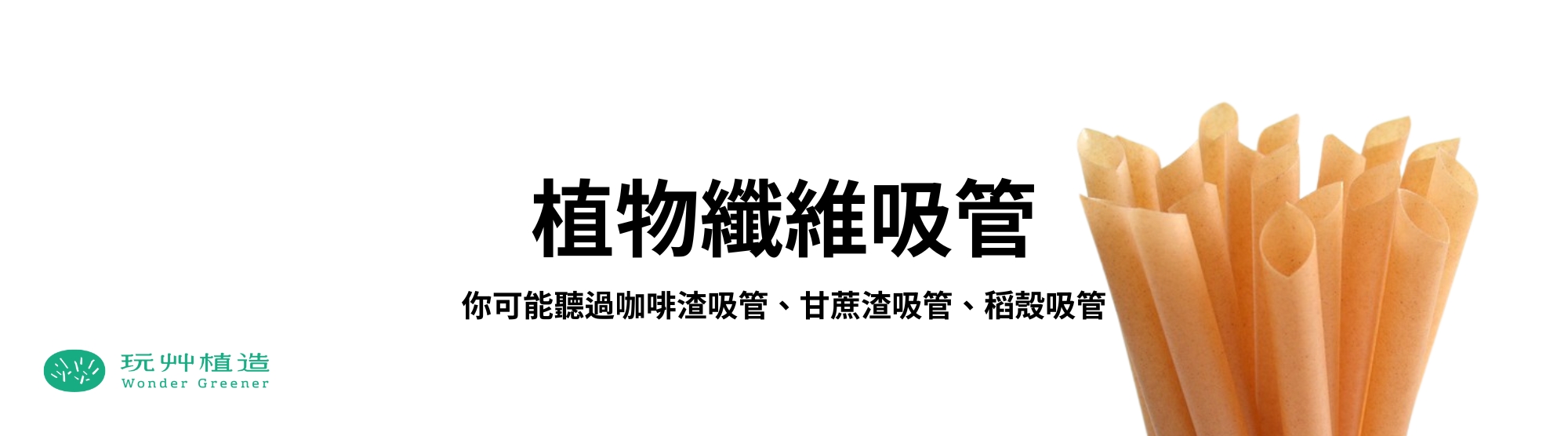
Plant fiber straws are made from agricultural waste such as wheat stalks, coffee grounds, and sugarcane bagasse. Since these materials are loose and powdery, binders must be added during production to shape and mold them into straws. However, the chemical components in these binders may pose potential health risks. Some restaurant owners have shared that plant fiber straws don’t store well—unopened packages may start to become brittle after just six months to a year.
- Ease of Use:
Similar in performance to plastic straws and relatively sturdy, but not suitable for warm or hot beverages. - Customer Acceptance:
The appearance often shows visible specks, but the overall user experience is nearly identical to plastic straws—many customers even mistake them for plastic. - Procurement Cost:
NT$0.55–1 per straw
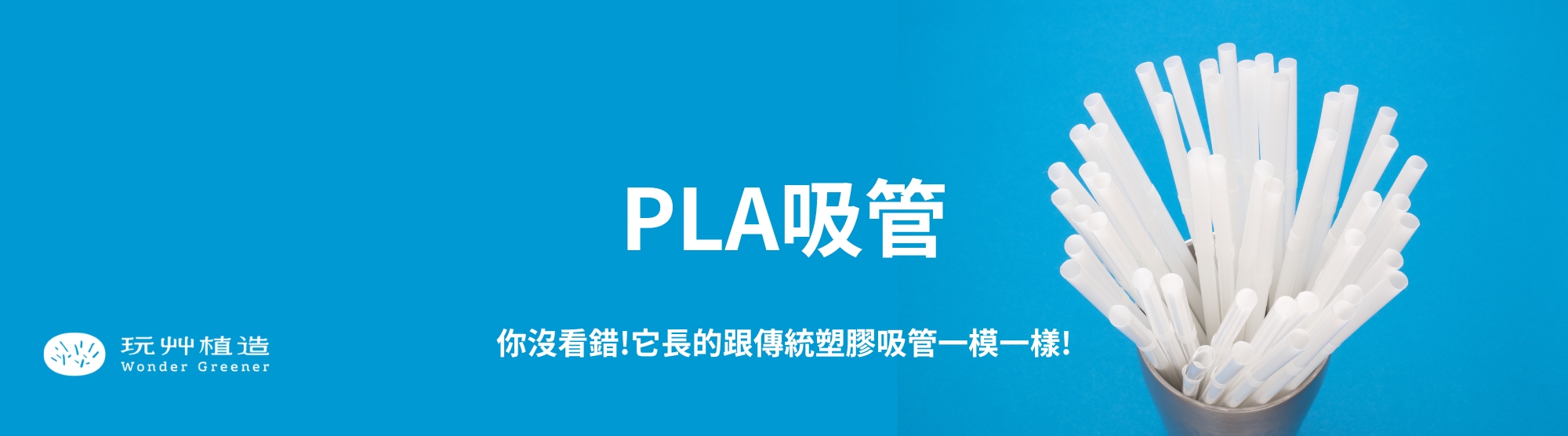
PLA, or polylactide, is made by fermenting, dehydrating, and purifying plant fibers. It looks very similar to regular plastic—most commonly transparent but can be dyed various colors. If the packaging doesn’t specifically state that the material is PLA, most customers will assume it’s a plastic straw. Although PLA is a biodegradable^ plastic, Taiwan currently lacks proper recycling facilities for it. As a result, the Environmental Protection Administration banned the use of PLA tableware starting August 2023.
- Ease of Use:
Performance similar to plastic straws and relatively sturdy. - Customer Acceptance:
The appearance and feel are almost identical to plastic straws, and many customers mistake them for plastic. - Procurement Cost:
NT$0.6–2 per straw
reusable straws
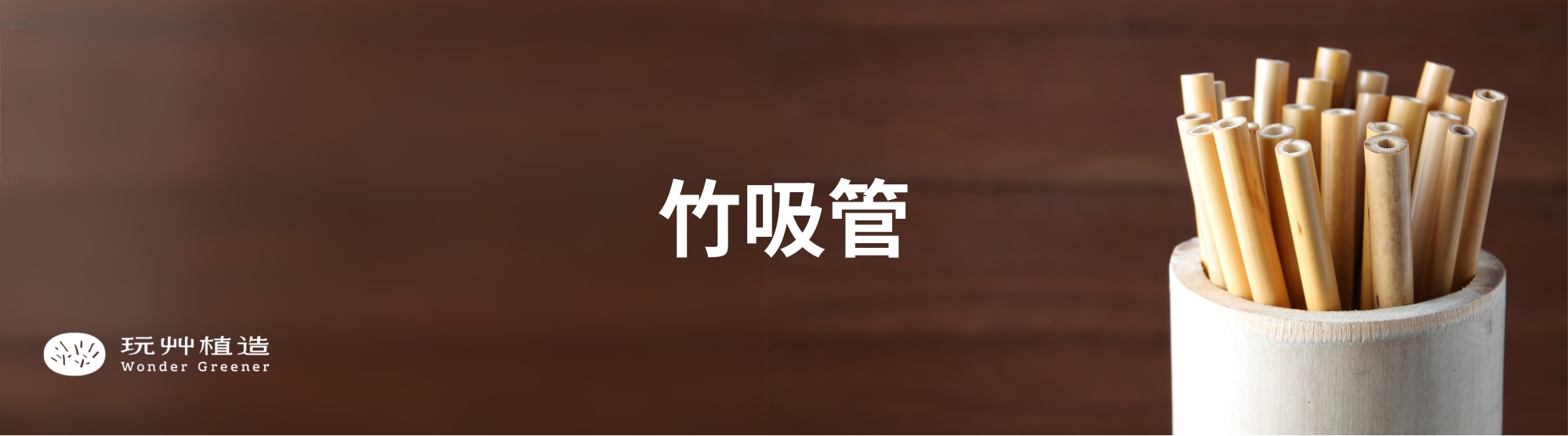
With its simple and elegant appearance, bamboo has recently become a popular material for eco-friendly straws. Bamboo straws are made from natural bamboo, but they do have some drawbacks. Cleaning and sanitizing them can be troublesome, and their opaque surface makes it hard to tell if they’re fully clean. Especially in Taiwan’s humid climate, improper care can lead to bacterial growth. Therefore, businesses need to replace bamboo straws regularly to avoid food safety issues.
- Ease of Use:
Sturdy and durable - Customer Acceptance:
Bamboo’s simple and stylish look attracts customers to take photos, though some have concerns about hygiene. - Procurement Cost:
NT$20–70 per straw
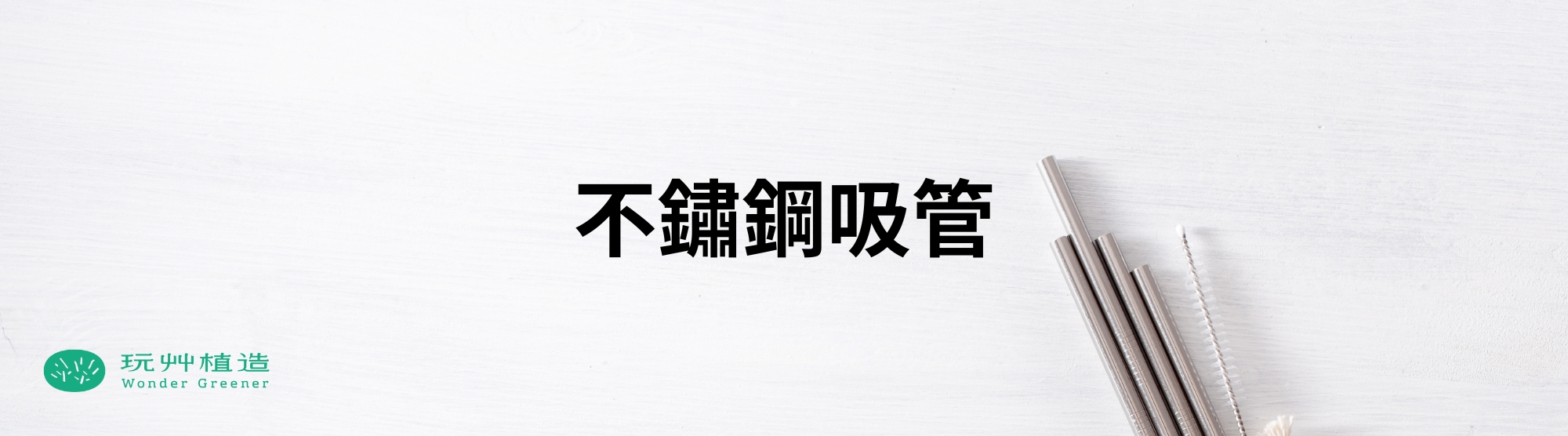
Stainless steel straws are currently the most common choice. In commercial use, they are drop-resistant and resistant to oxidation, making storage and maintenance relatively easy. However, stainless steel straws share a similar cleaning challenge: their opaque surface makes it difficult to tell if they are thoroughly cleaned. If not properly cleaned, bacteria or mold can grow. Additionally, stainless steel straws may have a metallic taste, which some customers feel slightly affects the flavor of their drinks.
- Ease of Use:
Sturdy and durable - Customer Acceptance:
The texture is hard and may have a metallic taste. When used with hot drinks, it conducts heat quickly and can cause burns. Some customers also express concerns about hygiene. - Procurement Cost:
NT$30–300 per straw
Chemicals: Persistent harmful substances such as PFAS (used as waterproof coatings), fluorescent agents, bleach, and other chemical compounds.
Biodegradable: Requires industrial composting conditions (high temperature and high humidity). Currently, Taiwan’s recycling facilities cannot handle large volumes of biodegradable plastics, so their disposal is no different from traditional plastic straws.
最後,艸民想大力推薦各位改用一次性的蒲草吸管,在店面有限的時間分配上,用完就丟大大節省清洗時間,無需擔心清洗不乾淨或滋生細菌的問題,使用起來既方便又安全,蒲草吸管天然環保,可自然分解,不會對環境造成負擔,因為它就是一根草啊!Contact us for free samples and detailed information.
Grass Straws are the perfect solution for both business and the environment!
Take action now!