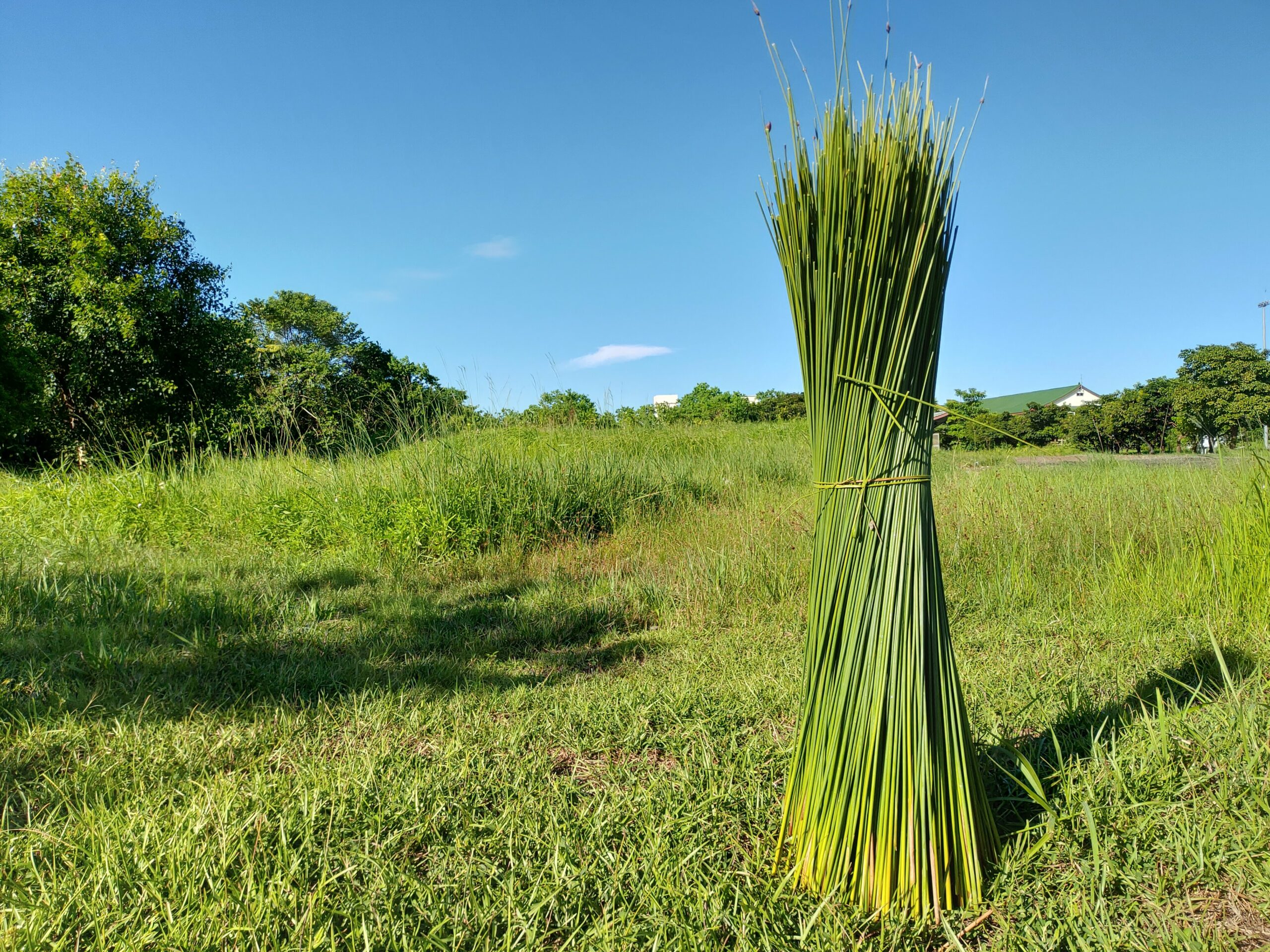
The straw you use daily is more than just a convenient tool for sipping drinks. How much do you truly know about it? Did you realize this seemingly simple item boasts a rich, long history—one that has even fundamentally shaped our drinking experiences? And do you know that the earliest known straw was actually a eco-friendly straws? Get ready for a paradigm shift: 10 fun and practical cold facts about straws await!

1. Straws: Born in Ancient Civilizations
You might assume the drinking straw is a modern commodity, yet its history is far more ancient than you imagine. As far back as 3000 BCE—the era of the Sumerian civilization—people were already utilizing "reed stems" to consume beer and avoid the fermented sediment. It is safe to say that this was the definitive prototype of the modern straw.
2. The Origin of the Word "Straw"
You might know the English term for our sipping device is "straw," but have you ever considered why it bears this name? Intriguingly, the original meaning of "straw" directly refers to dried stalks of grain, such as wheat or rice. This term was adopted because, before Marvin Stone invented the paper straw, people simply used natural grain stalks for sipping. The name naturally stuck.
3. Paper Straws: Born from a Cocktail
Who engineered the modern straw we are all familiar with? The answer lies with an American man named Marvin C. Stone. One day in 1888, while sipping a Mint Julep cocktail, Stone grew frustrated with how the then-common natural wheat straws would dissolve and negatively impact the flavor. This inspiration led him to create a solution: he spontaneously crafted a prototype using paper and adhesive, thus developing the very first paper drinking straw. This invention fundamentally changed the drinking experience.
4. Urban Legend: Does Sipping Through a Straw Increase Intoxication?
This phenomenon is a widely circulated urban legend: The claim that sipping alcohol through a straw seems to get you intoxicated faster. But is this truly Fact or Fiction?
- The claim of "faster intoxication" is often attributed to the following factors:
- Accelerated Consumption Rate: Using a straw may lead individuals to unconsciously sip more rapidly and take larger gulps, resulting in a higher intake of alcohol in a shorter period.
- Carbonation Effect: Some theories suggest that the straw-sipping process may either increase the surface area contact between the beverage and gases in the mouth, or potentially accelerate the release of carbon dioxide (CO2) in carbonated drinks (such as sodas or sparkling wines). These released bubbles might indirectly influence the speed of alcohol absorption.
- What Physicians Say:
- According to Dr. Aoi Umefune, a physician at a Japanese family clinic, the difference lies in aeration. When drinking directly from the rim, air enters the body along with the liquid. Conversely, when sipping alcohol through a straw, the beverage enters the body with minimal air. This difference may lead to a misperception where the drinker's palate more intensely registers the alcohol's concentration or flavor, creating the illusion of "drinking faster" or "feeling a stronger effect." However, Dr. Umefune firmly emphasizes that the claim of "getting drunk more easily" has absolutely no scientific basis. Ultimately, whether you become intoxicated is primarily determined by the total amount of alcohol consumed and your individual physiological tolerance.
Therefore, the straw itself does not accelerate intoxication; rather, it may alter your consumption habits, causing you to drink faster. This acceleration in pace is the key factor demanding your attention.
5. Seal Piercing Hack: The Essential Tilt Technique
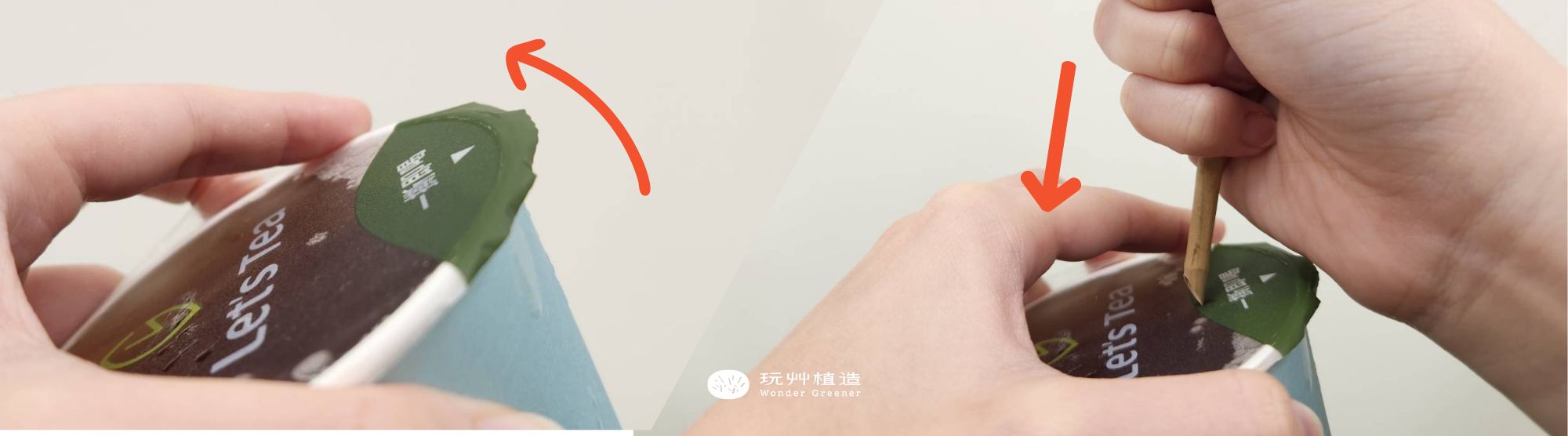
Have you ever faced the awkward frustration of struggling to pierce a stubborn drink seal? Next time, try deploying this simple yet effective trick: Simply tilt the beverage cup slightly and then use the straw to pierce the seal.ou will find it pierces the seal far more easily than when the cup is held flat!
This increased ease of piercing occurs because when the beverage cup is tilted , the angle of straw insertion creates a diagonal shearing force. This force is far more effective than a vertical piercing force at disrupting the seal's surface tension. Simultaneously, tilting may also redistribute the seal's tension, making it easier to find a point of breakthrough. This seemingly small action is, in fact, an application of simple physics, allowing you to effortlessly enjoy your beverage.
6. Straws and Dental Healt: An Unexpected Ally?
Many dentists recommend using a straw when consuming acidic or pigmented beverages, such as sodas, coffee, tea, or fruit juices. The purpose of this practice is to minimize direct contact between the liquid and the tooth enamel surface.
This significantly helps prevent tooth decay and staining. However, this does not mean you can consume sugary beverages recklessly just because you are using a straw!
7. The Science of Sipping: Not Sucking, It’s Pushing!
While we colloquially say we are "sucking" a drink, this action is actually underpinned by fascinating principles of physics! When we draw air out of the straw with our mouths the air pressure inside the straw decreases, creating a localized low-pressure zone. Then, the greater atmospheric pressure outside "pushes" the liquid into your mouth. Therefore, instead of "sucking," we are simply "creating a pressure differential.
8. Straws in Space: The Challenge of Zero Gravity
In the extreme environment of space, where there is no gravity , liquids will simply float and scatter everywhere. For this reason, astronauts cannot drink directly from an open cup as they would on Earth. They must instead use specialized straws or sealed containers that are specifically designed to ensure the beverage does not float out or spill, allowing astronauts to safely consume liquids in a state of weightlessness.
9. Material Evolution: Reeds to Modern Sustainability
The evolution of straw materials mirrors human civilization: from ancient reed stalks and Marvin Stone’s paper straw to the plastic straw of the Industrial Revolution, each reflecting society’s demand for "convenience and cost".
The plastic straw reigned supreme for decades due to its characteristics of durability, low cost, and resistance to decomposition.
As global environmental awareness grows, we’ve recognized the hidden costs of convenience. This has led to sustainable alternatives like stainless steel, glass, bamboo, and Grass straw. Beyond technology, this shift reflects society moving from seeking convenience to embracing sustainability.

10. The Plastic Straw's Parabolic Cut: The Secret to Effortless Seal Piercing!
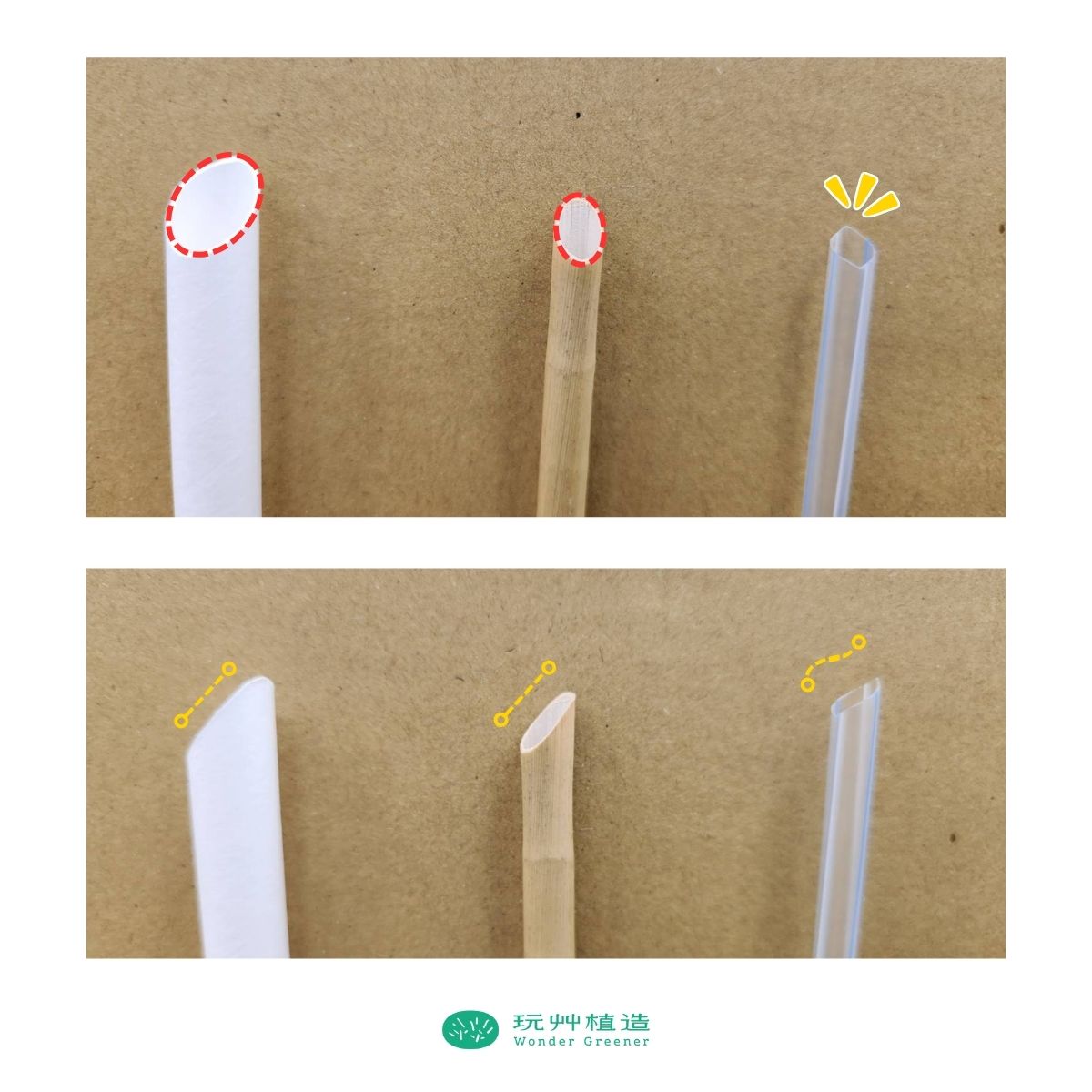
You may not notice that many plastic straw tips aren’t perfectly circular.
In manufacturing, straws are flattened and sliced,producing a curved, pointed tip resembling a parabola. This small design is a key advantage: the sharper, curved tip concentrates force to easily pierce seals, greatly enhancing convenience.
Inspired by these facts?
Let's experience the new era of sustainable straws
From ancient reeds to modern eco-materials — straws now symbolize sustainability.
Now, you can use one Grass straw, experience this sustainable evolution for yourself.
More than a product, it’s a choice shaped by nature, trust, and sustainability.
蒲草吸管是用一種叫做 蒲草(Lepironia Articulata) 的植物,直接裁切、烘乾後做成的。蒲草本身具有天然的中空結構與堅韌纖維,因此天生就長得像吸管,不需要加工,也沒有任何添加物。保留了植物原本的顏色、紋路和粗細,所以每一支都是獨一無二的存在。
其實蒲草以前常拿來做榻榻米,如今變成更環保的日常選擇。
蒲草吸管從採收到成品,全程使用天然工法,不添加任何化學藥劑。製作流程包含:
1.清洗淤泥:去除泥沙與雜質
2.裁切成吸管長度:依飲料店常用尺寸製作
3.去除外膜:提升潔淨度與使用手感
4.烘乾脫水:確保耐用度並避免發霉
5.紫外線+臭氧雙重消毒:達到食品級安全
這樣的製程讓蒲草吸管保持自然原始的狀態,沒有塑膠、沒有加工物質,也因此每根吸管的紋路、顏色都略有不同,是天然產品的特色。
不建議。蒲草吸管的內壁纖維會吸附飲料,無法清洗乾淨,口水也會附著細菌,因此不建議重複使用,用完就丟。
蒲草吸管用完可以丟廚餘、或是盆栽,30-90天就會自然分解。