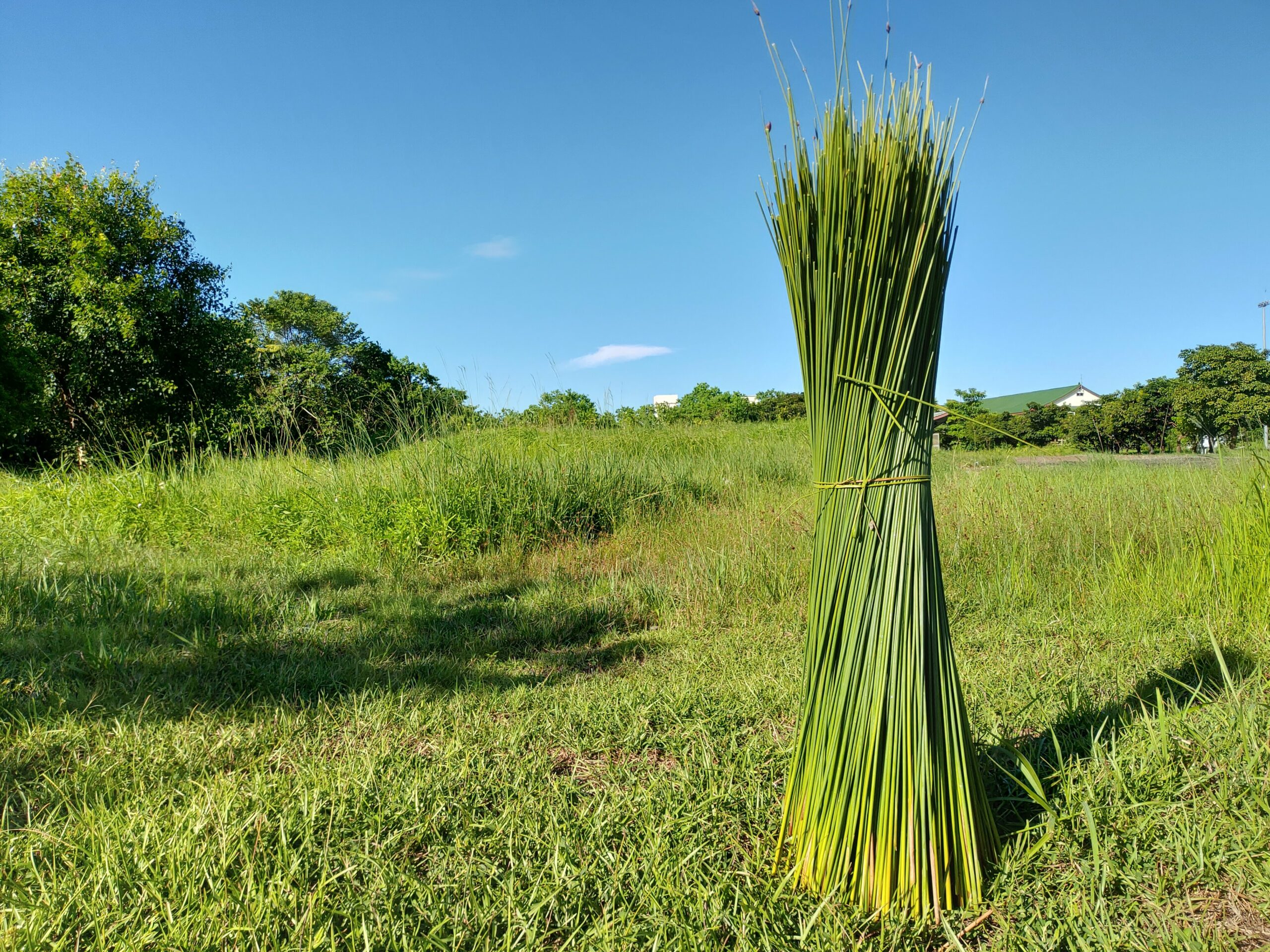
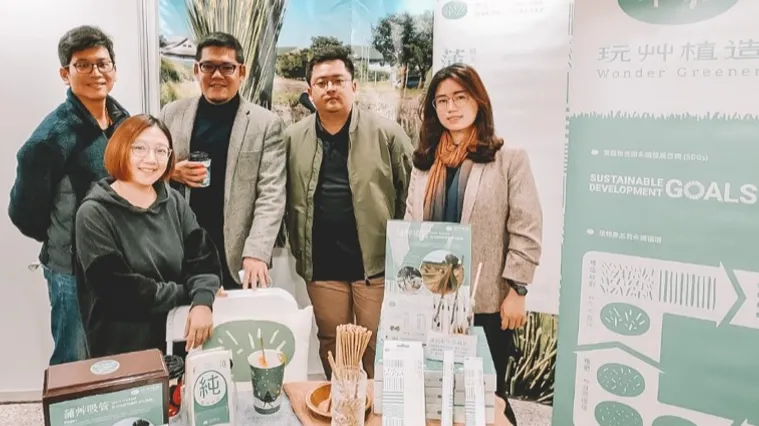
In 2025, the market is full of so-called eco-friendly straws—but which are truly sustainable, and which just wear a green disguise? Truly eco-friendly straws meet three “Return-to-Nature” standards: 100% plant-based, chemical-free, and fully biodegradable. Here’s how grass straws out‑perform PBS / PLA (biodegradable straws) — for true zero‑plastic, zero‑waste impact.
When "green" becomes a marketing mask, who will clear nature’s name?
In recent years, labels such as eco straws, plant-fiber straws, and biodegradable straws have become synonymous with sustainability. But when the glossy marketing fades, the truth surfaces : many so-called "plant-based straw" are merely plastic mixed with plant powder. Some "biodegradable" straws never decompose in real natural conditions. When "green" turns into a marketing tactic, it’s time we demand a material that truly represents nature. It doesn’t need to be packaged or framed to fit a green brand image — it naturally belongs to the earth. And that material is Grass straw".
Purity Standard 1: Zero chemical additives and no reliance on petrochemicals
The main reason that "plant-fiber straws" is so often misused is that too many products plant on the outside, plastic on the inside".
- Imitation plant straws: Straws marketed as PBS, although partially derived from plant sugars and partially from petrochemical sources, still require chemical polymerization, heating, and catalysis. The final product remains "synthetic plastic" and heavily relies on petrochemicals such as 1,4-butanediol.
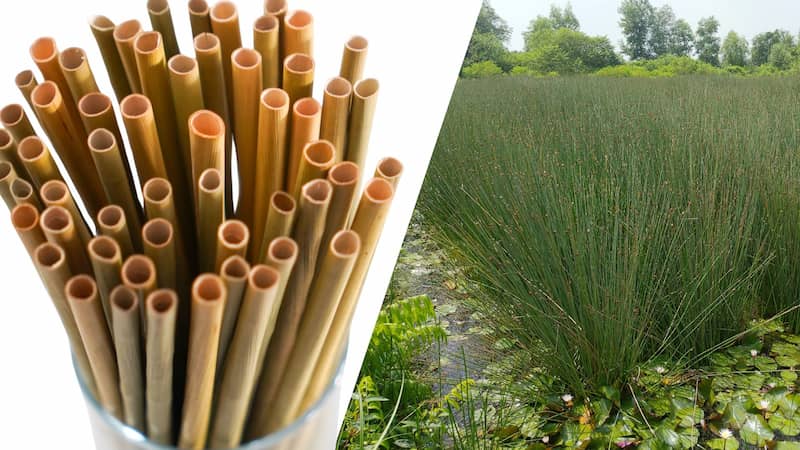
- Genuine plant straws: Grass straws are made from natural stems, without adhesives, resins, or plasticizers It’s not imitating plants — It's plants themselves.
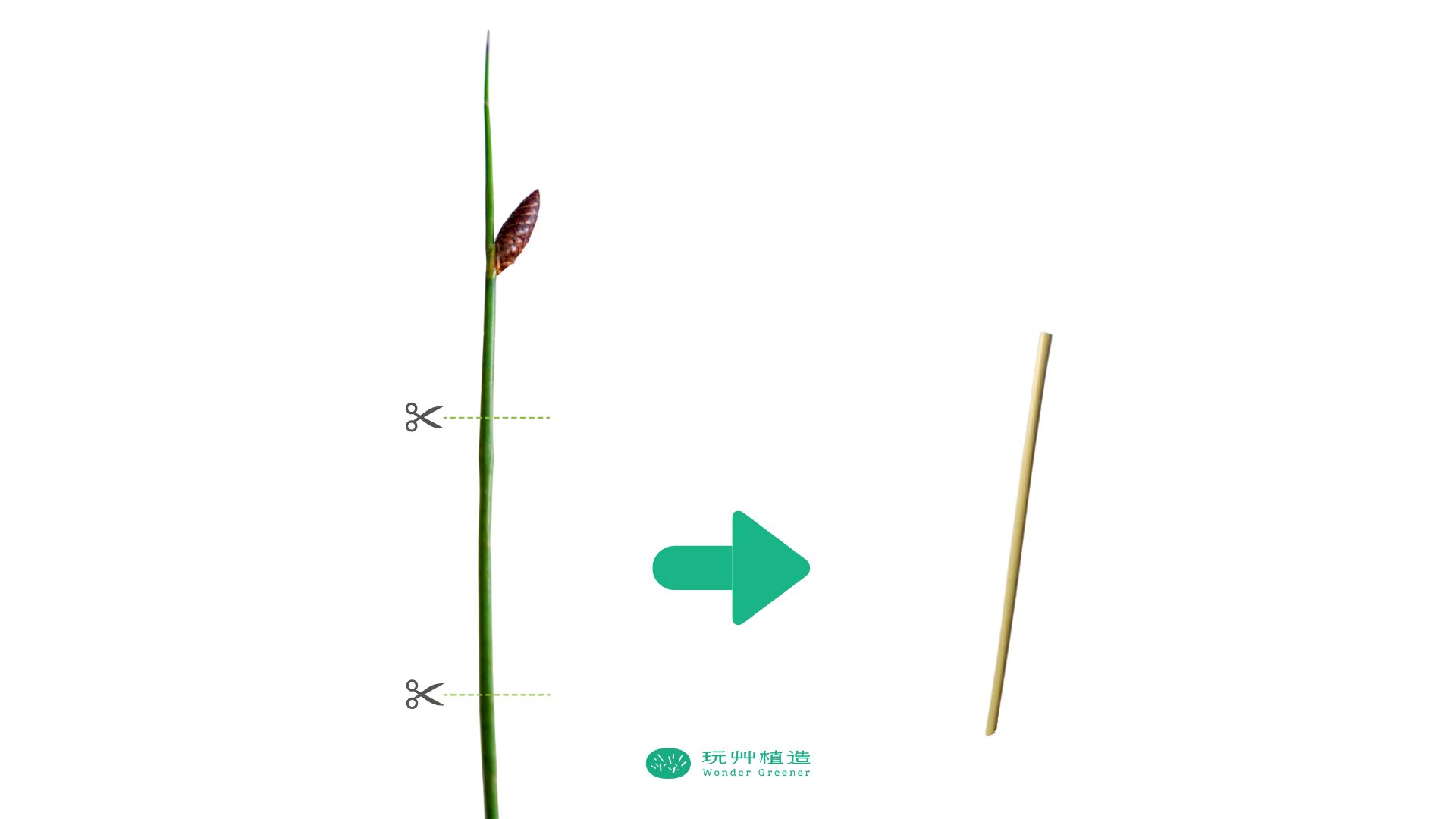
🍃 Truly sustainable choice: While others are "made green," grass straws stay natural, achieving plant-based, chemical-free, low-carbon production.
Purity Standard 2: Must fully decompose in natural environments without leaving microplastics
Sustainability is not just about "biodegradation" — It’s about where a material comes from and where it returns. This is the core standard for sustainability:
- PBS and PLA straws may be biodegradable, but many of them require specific composting conditions or certain microorganisms to achieve complete decomposition. Break down very slowly, and most often turn into microplastics that persist in the environment.
- On the other hand, Grass straws can break down completely in nature. In ordinary soil or water, grass straws fully decompose within 60–90 days into carbon, water, and biomass. No industrial treatment is needed, and no plastic residues remain — after all, it’s just a leaf.
It doesn’t just "disappearing". It’s about Back into the natural cycle.
Grass naturally absorbs CO₂ from the atmosphere during its growth.
After use, it returns to the soil, completing a fully carbon-neutral lifecycle.
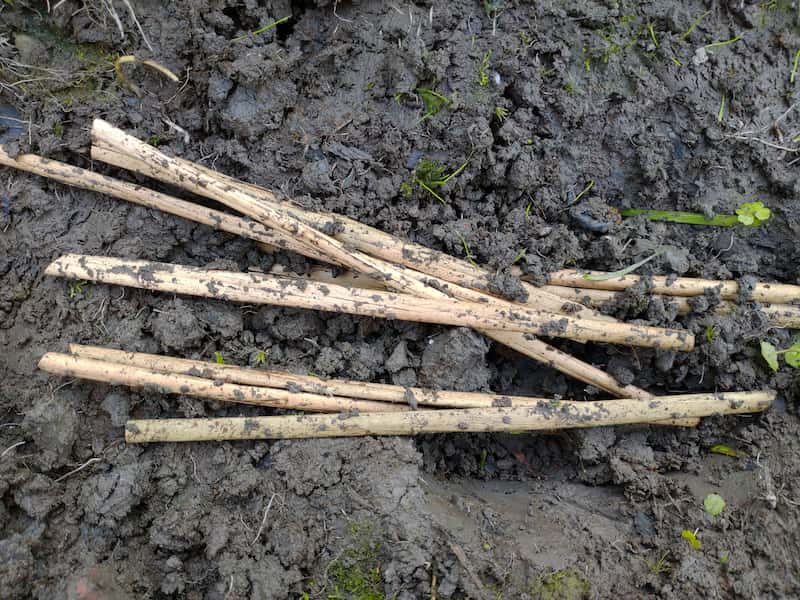
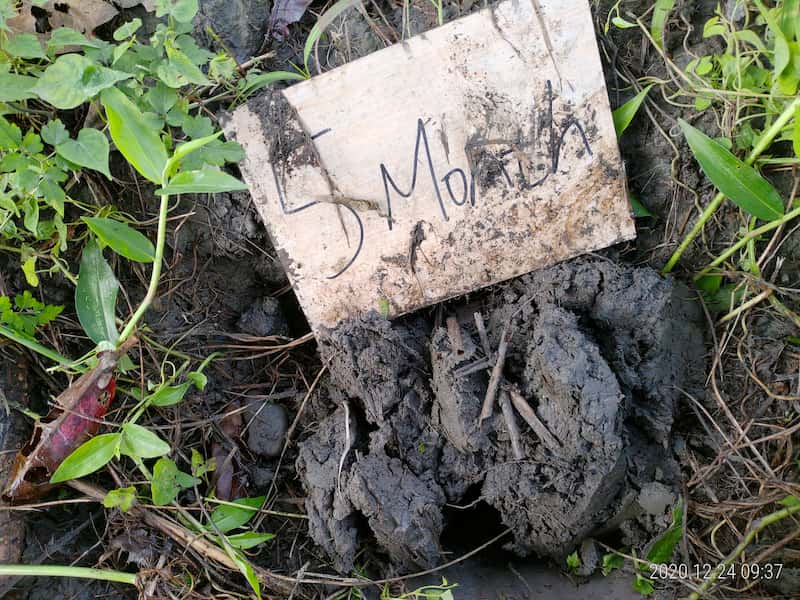
🌍 Real sustainability doesn’t make plastic look like it can decompose; it ensures the earth can safely take it back.
Purity Standard 3: A true plant straw should let you "feel nature"
For consumers, sustainability is no longer just a rational choice — it is a feeling, a connection. But in the midst of the "plant" craze, there are too many products that look natural. But in reality, they are artificial.
- Imitation plant straws: They simply use plant fibers like bamboo powder, tea leaves, bagasse, or coffee grounds, mixed with PBS and thermoformed—producing uniform, identical straws. To give the impression of being "green", they are intentionally made brown, rough, and textured.
- Genuine plant straws: When you pick up a grass straw, you’ll see it’s not perfectly straight. Some are a little thicker, others have natural patterns — each one a unique creation of nature. These imperfections and irregularities are the truest proof that it comes from nature.
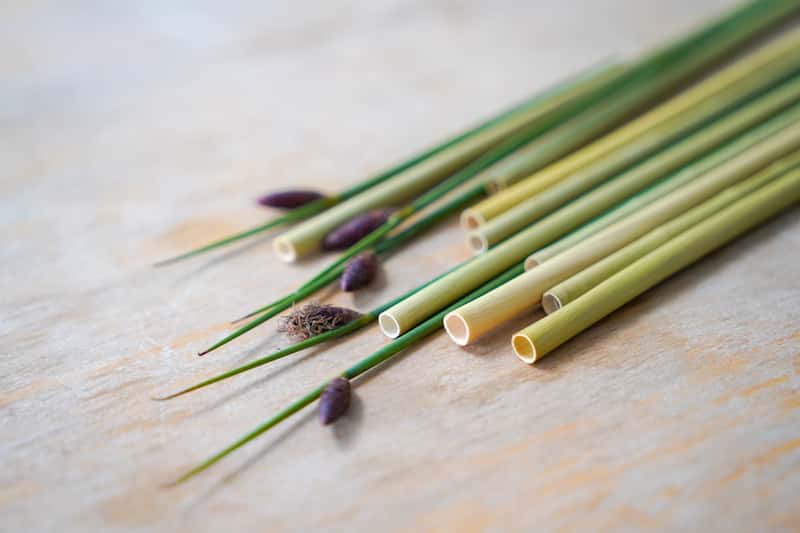
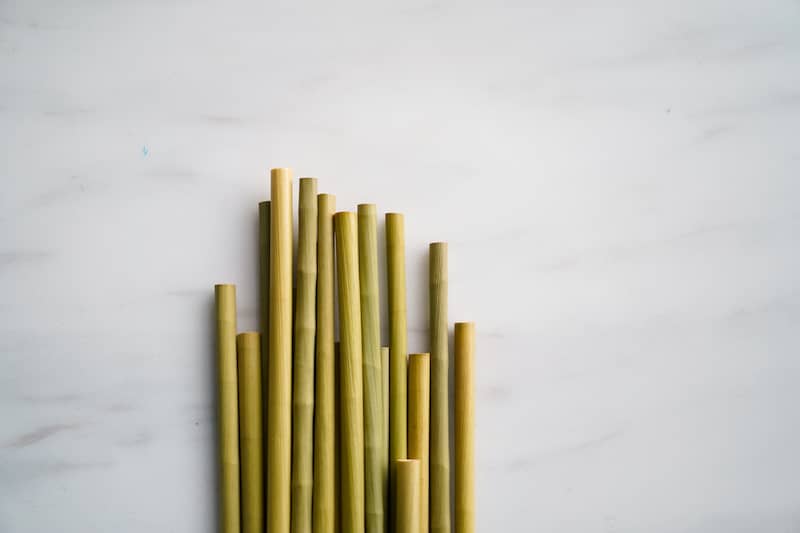
🌾Every straw is a gift from nature.
Why do grass straws represent the future of sustainability?
These benefits turn it into more than just a green product — they extend a company’s commitment to sustainability:
- Naturally renewable: Roots remain, no tilling, plants absorb carbon as they grow.
- Chemical-free production: Washed, cut, dried, and sterilized — ready to use.
- No waste risk: After use, it can go into compost or pots, breaking down naturally.
- Uniquely identifiable: Natural patterns become a mark of sustainable branding.
"Substitute" to "Symbiosis" — Belief Of Grass Straws
While the world searches for plastic alternatives, grass has already given the answer.
Grass straws reminds us that sustainability isn’t about creating new materials or catchy labels — It’s about returning to nature and living in harmony with it.
When nature speaks, the material needs no justification. Wonder Greener believes true sustainability isn’t clever packaging, but choosing materials with integrity. Grass straws aren’t “next-gen plastic”—they’re the first step back to nature.
Sustainable life begins with a single straw
Sustainability isn’t a distant ideal — it happens in every choice we make.
By choosing a genuine plant straw,
You’re telling the world: Nature matters more than marketing.
Grass straws tell a story — A return from fake green to true sustainability.
It’s more than a product — it’s an attitude: letting nature speak for itself.
指的是企業或品牌,透過「誇大、模糊或不實」的行銷手法,讓消費者誤以為其產品或服務對環境非常友善,但實際上對環境的效益卻微乎其微,甚至根本沒有。
植物吸管通常指由「整株植物」直接做成的吸管,例如:蒲草吸管、小麥吸管、竹吸管、蘆葦吸管。
植物纖維吸管則是將「植物纖維打成粉、加入生物塑膠(PBS、PLA 等)」再製成吸管,本質上仍是塑膠製品,例如:甘蔗渣吸管、咖啡渣吸管、茶葉渣吸管、玉米渣吸管。
不是。植物纖維吸管雖然名字聽起來自然,但它必須加入 PBS、PLA 等生物塑膠原料才能成型,因此不屬於天然植物吸管。