Driven by the global anti-plastic movement, a new cohort of items has entered our lives: all manner of "eco-friendly tableware." Some even claim they can return directly to the earth, with "biodegradable plastics" being lauded. Every time you hold one, you likely feel you are doing your part for the planet. You believe these plastic alternatives are the perfect solution to our environmental woes—the pathway to sustainability. However, If I told you this concept is a carefully crafted environmental myth, would you still believe it?
If I told you that these so-called eco-friendly disposables — polished, praised, and packaged as “planet-saving” — may actually hide deeper environmental harm beneath the glossy marketing, would it still surprise you? Today, we take you beneath the surface to uncover the true life cycle behind these products. From the origin of chemical processing to the end point of recycling issues. Step by step, we’ll reveal what products never told you—ready to challenge everything you knew about “eco-friendly”?
I. Misleading Labels: Stop Letting “Natural” and “Degradable” Words Fool You
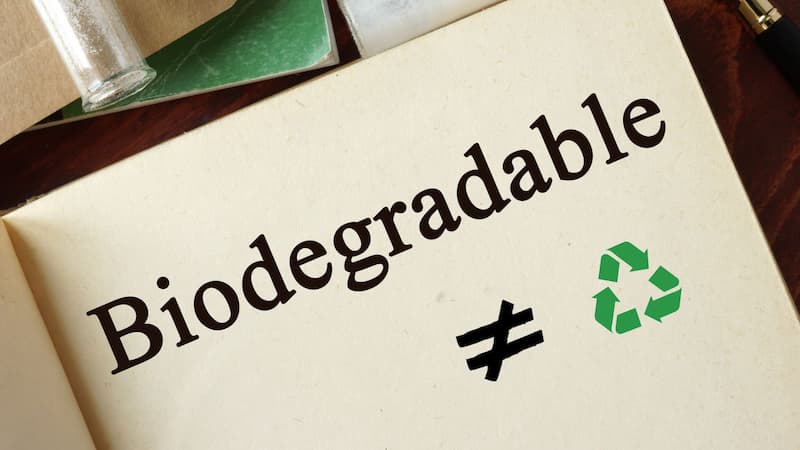
Before we dive into the truth about "biodegradability" , we must first clarify several concepts that have been intentionally conflated.
- Biodegradable Plastic Some of these plastics can, in fact, be broken down by microorganisms, but only under specific conditions (such as the high heat and humidity of an industrial composting environment). The keywords are "specific conditions", which means they cannot effectively decompose in general natural environments, such as oceans or soil.
- Plant-based Straw This word is most likely to mislead consumers. It is often used as a general term for all plant-derived straws, but its essence falls into two categories:
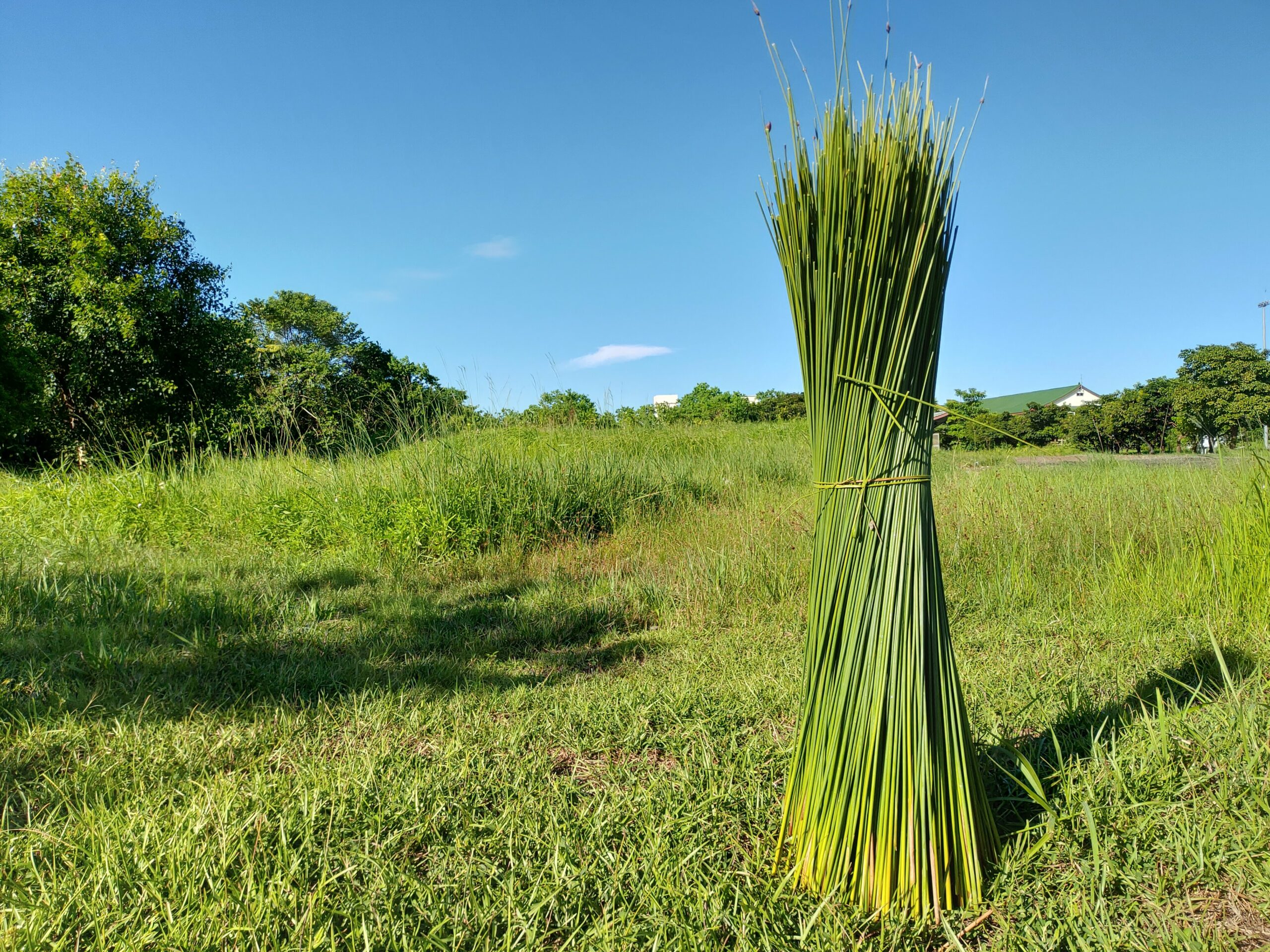
- Truly Natural Plant Straws : Such as Sedge Grass Straws, which use natural, additive-free materials and processes, allowing them to return directly to nature.
- Hybrid Plant Fiber Straws : These products are made by mixing agricultural waste, such as tea dregs, coffee grounds, with PLA and PBS plastic and other similar biodegradable plastics. Their essence remains plastic.Though their appearance is natural, their essence remains "plastic".
II. The Hidden Cost of Manufacturing: The "Industrial Production" in Sheep's Clothing
Many people assume biodegradable plastics come from plants, with a process that is entirely natural and harmless. However, this is where the propaganda runs deepest.

- Essence is still chemical processing : Manufacturing biodegradable plastics like PBS and PLA is far more complex than growing a plant, requiring intensive industrial processing,a process which involves chemical processing and solvent refining.
For instance, the two main raw materials for PBS are succinic acid and butanediol. Their production generates significant wastewater and emissions, with energy use that contradicts their “eco-friendly” image. - The Environmental Cost of Raw Material Sourcing : Traditionally, succinic acid and butanediol are primarily sourced from the petrochemical industry, and their production process generates significant methane and other greenhouse gases, exacerbating climate change. While some succinic acid can now be produced via bio-fermentation, this remains a complex, high-energy process requiring industrial scale, and it still generates environmental challenges related to post-processing.
- Unidentified Chemical Additives and Human Health Risks : To achieve the necessary toughness and durability required of plastic products, these materials are often compounded with various chemical additives and binders. The ingredients of these chemicals are frequently non-transparent. Not only can they potentially leach out during the use phase, affecting human health, but they also contribute to microplastic pollution during the degradation process, posing a long-term environmental threat.
It is worth noting that butanediolitself exhibits low toxicity, and at high doses, it may potentially harm the kidneys or nervous system. However, when used as an ingredient in cosmetics, its safety is relatively high due to differences in dosage and exposure. Yet, when it is used as a raw material for single-use products, the massive industry and chemical pollution are the real environmental price.
III. The Terminal Disposal Dilemma: "Degradable" Plastics That Don't Degrade
Even if consumers diligently attempt to recycle biodegradable plastics, these products, when processed in still face enormous challenges at the terminal disposal stage.
- Stringent degradation conditions The first issue is that these products require strict degradation conditions. With few industrial composting facilities in Taiwan, most end up as general waste in incinerators or landfills, where poor decomposition in anaerobic conditions makes them effectively the same as conventional plastic.
- Recycling system disruption Since biodegradable plastics are indistinguishable from conventional plastics in appearance. They are frequently misclassified during the recycling process. Once mixed into the traditional plastic recycling system, they severely compromise the quality of the recycled materials, thus undermining the very solution the recycling process is meant to provide.
the core of Greenwashing is to leverage human intuitive association to achieve the goal of misleading consumers.
IV. Conclusion: The Hidden Truth — A Marketing Ploy
- Pollution from raw material production : Manufacturers only emphasize the plant origin of the raw materials while avoiding any discussion of the chemical pollution generated during their industrial production process.
- The ratio of plant fiber to plastic : Some products claim to contain plant fibers but deliberately avoid mentioning the true ratio of the plastic components, leading consumers to mistakenly believe the product is purely natural and additive-free.
- The Undegradable Truth : The vague term “degradable” hides the fact that the product only decomposes in industrial composting.
- Misleading Marketing Tactics Through Terminology : This is the most critical propaganda trap. Manufacturers utilize words like "natural", "biodegradability"
to lead consumers to believe that these products are harmless and can return directly to nature. However, the fact is biodegradable plastic is still plastic.
Identifying True Sustainable Alternatives
In an era saturated with green environmental myths, we need to redefine sustainability.
A truly sustainable product must withstand scrutiny across its entire lifecycle—from raw materials and manufacturing process to terminal disposal—demonstrating genuine environmental friendliness at every stage.
Next time you are faced with these plastic alternatives, consider these critical questions:
- Is the composition fully transparent?
- Can it truly return to nature?
- Does it require special processing to degrade?
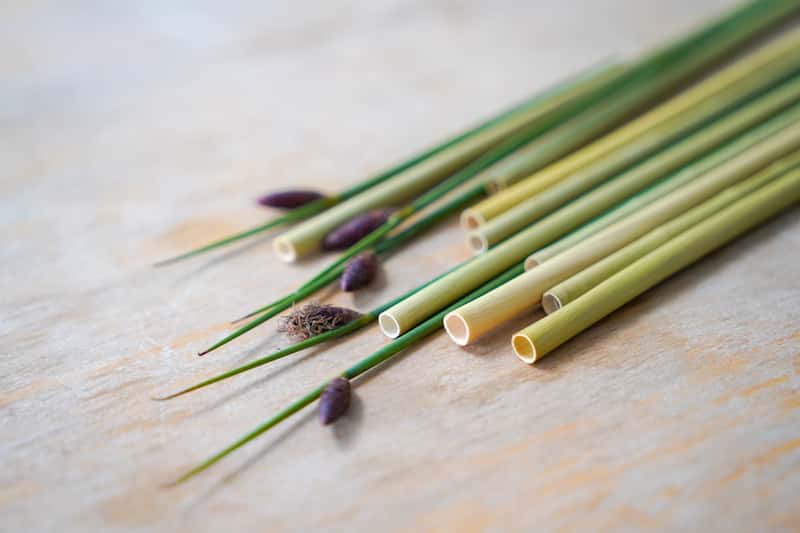
Choosing Grass straw, a product that is purely natural, chemical-free, and naturally degradable — is an effective way to break free from the single-use mindset. This is not merely a personal eco-habit. It is a vote for brands that commit to true sustainability.
Our sedge grass straws not only withstand dual scrutiny from chemistry and environment but are also a solution that creates positive value for the planet. They absorb carbon from the air, assisting the ecosystem, and support rural economic revitalization through fair procurement. All of this is clearly documented in our reports.
It is not just eco-friendly. It is a choice of genuine "altruism."
It's Time to Say Goodbye to "Fake Sustainability"
Don't let vague marketing rhetoric hijack your original environmental intent.
Now that you can tell truth from falsehood. Let this purchase speak.
Stand with transparency. Choose what’s best for Earth.
不會,蒲草吸管適用於冷飲、熱飲,吸水後反而會「恢復彈性」,可使用 8 小時以上不軟爛。
不會。蒲草吸管通過 SGS 與多項國際檢驗,符合農藥與化學物殘留標準,不含添加物。
蒲草吸管從採收到成品,全程使用天然工法,不添加任何化學藥劑。製作流程包含:
1.清洗淤泥:去除泥沙與雜質
2.裁切成吸管長度:依飲料店常用尺寸製作
3.去除外膜:提升潔淨度與使用手感
4.烘乾脫水:確保耐用度並避免發霉
5.紫外線+臭氧雙重消毒:達到食品級安全
這樣的製程讓蒲草吸管保持自然原始的狀態,沒有塑膠、沒有加工物質,也因此每根吸管的紋路、顏色都略有不同,是天然產品的特色。
<script type="application/ld+json">
{
  "@context": "https://schema.org",
  "@graph": [
    {
      "@type": "SiteNavigationElement",
      "name": "為什麼可分解其實分解不了",
      "url": "https://wondergreener.com/2025-熱門「可生物分解」沒有比較環保:製造商沒告/#biodegradable_doesnt_degrade"
    },
    {
      "@type": "SiteNavigationElement",
      "name": "植物纖維做的 ≠ 製程環保",
      "url": "https://wondergreener.com/2025-熱門「可生物分解」沒有比較環保:製造商沒告/#plant-based-not-green-to-make"
    }
  ]
}
</script>