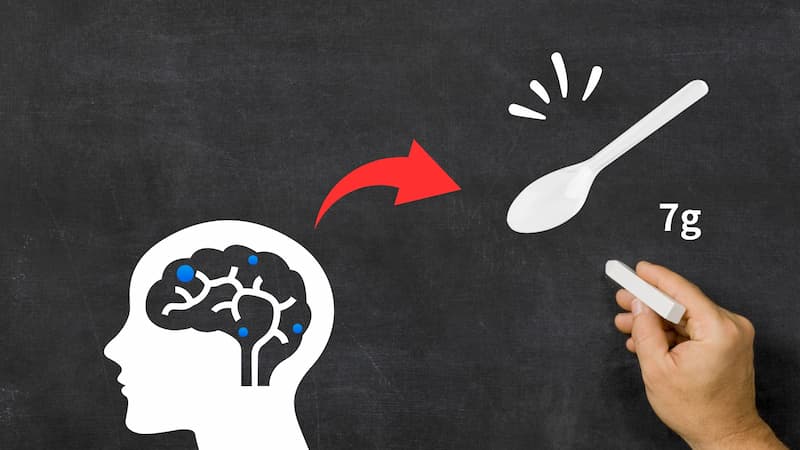
Have you ever heard that the plastic bottles we use repeatedly for water may quietly release microplastics? Even more concerning, studies abroad have indicated that the human brain may have already accumulated roughly 7 grams of microplastics, about the weight of a single plastic spoon! As we become aware of these invisible particles entering our bodies, have you wondered whether the straws we use daily might also carry hidden health risks?
In recent years, with the global push to reduce plastic, a variety of eco-friendly straws have appeared on the market—from paper and stainless steel to so-called biodegradable materials. However, many of these seemingly “green” options may hide unexpected chemical additives, microplastics, or even potential heavy metal hazards. Today, we’ll take a closer look at these hidden “toxic straw” traps and provide 4 key ways for choosing safe and healthy straws, helping you make the smartest choice for your and your family’s health!
Hidden Health Hazards: These Straws Could Be “Sipping” Toxins Into Your Body!
Don’t think that straws labeled “eco-friendly” are automatically safe. Here are some hidden health hazards you need to watch out for:
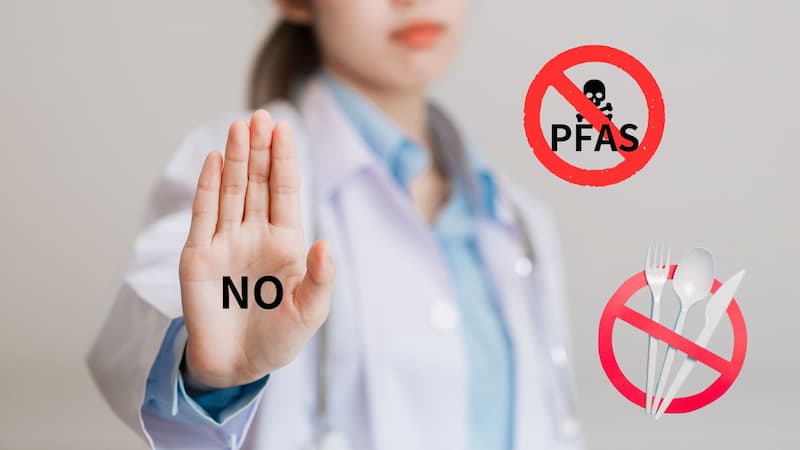
- Paper Straws: The Chemical Concerns Behind Waterproofing
To prevent paper straws from becoming soggy, many manufacturers add chemical coatingto enhance water resistance. These coatings may contain permanently harmful chemicals like PFAS (per- and polyfluoroalkyl substances), fluorescent agents or bleaches. When the straw comes into contact with beverages, these chemicals can leach out, posing potential long-term health risks. - PLA Biodegradable Straws: “Microplastic Generators” in Eco Disguise
Biodegradable plastic straws (like PLA or plant-fiber straws) may sound ideal, but
at their core, they are still plastic. Although PLA comes from plant sources like agricultural waste, once polymerized it becomes OTHER. Similarly, many plant-fiber straws mix in natural materials but still require adhesives for shaping.
→ More importantly, even “biodegradable” plastics, often cannot break down effectively under Taiwan’s current recycling and waste management systems.When they fail to fully decompose in natural environments without specific conditions, they can break down into tiny, invisible microplastics. These particles may enter the human body through beverages or even the food chain, raising long-term health concerns. Just as we worry about microplastics leaching from repeatedly used plastic bottles, these “biodegradable” straws can also be a potential source of microplastics. - Reusable Straws: Risks from Improper Cleaning and Heavy Metals
Reusable straws such as stainless steel, glass, or bamboo, are popular choices for reducing plastic use. However, they also come with potential health concerns.- Hard-to-clean spots: Opaque stainless steel or bamboo straws are hard to clean thoroughly. If not properly washed or ventilated, they can harbor bacteria or mold, raising hygiene and safety concerns.
- Heavy metal concerns: Low-quality stainless steel straws may leach heavy metals, affecting both beverage taste and human health.
- Physical risks: Glass straws can break easily, while metal straws heat up quickly, posing a burn risk with hot beverages.
4 Ways to Choose Safe, Healthy, Eco-Friendly Straws
With so many straw options on the market, how can you choose for maximum health and safety? Follow these 4 key ways to make smart, worry-free choices!
Step 1: Check the ingredient list carefully—avoid unknown chemical additives!
When choosing straws, Make a habit to check ingredient labels is essential. A truly safe and healthy straw should have clear, transparent ingredients, free from complex or unknown chemicals. This is especially important for single-use straws, which may contain added chemicals to enhance waterproofing or durability.
- Suggest: Prioritize straws with simple, clear ingredient lists labeled as “additive-free” or made from “natural materials.”
- Notice: Watch out for unclear labels or unknown chemicals like waterproof coatings, plasticizers, or bleaches.
Step 2: Understand decomposition properties to avoid potential microplastic risks!
Many so-called “biodegradable” straws often cannot break down effectively under Taiwan’s current recycling and waste management systems, ultimately becoming waste or generating microplastics—posing a double burden on both the environment and human health.
- Recognize: Even biodegradable plastics like PLA or PBS struggle to break down in natural environments. When decomposition conditions are insufficient, they can fragment into nearly invisible microplastics.
- Considerate: If you prefer the convenience of single-use straws, consider those made from 100% natural, additive-free materials that truly break down harmlessly in the environment, minimizing the potential risk of microplastics.
Step 3: Choose materials wisely to minimize heavy metal and leaching risks!
For reusable straws, the material’s inherent stability and safety are key factors when choosing.
- Stainless Steel Straws: Recommend to choose food-grade 304 or 316 stainless steel, This helps minimize the risk of heavy metal leaching. When purchasing, check if the product comes with relevant safety certifications.
- Glass Straws: Choose borosilicate glass—heat-resistant, relatively shatterproof, and transparent for easy cleaning inspection.
- Bamboo Straws: Ensure the straws are properly processed to prevent mold growth or insect infestation during use.
Step 4: Prioritize easy cleaning to ensure every use is hygienic!
Whether reusable or single-use, maintaining hygiene during use is essential.
- Reusable: If you choose reusable straws, such as stainless steel, glass, or bamboo, be sure to consider their cleaning convenience. The narrow interior of straws can easily trap dirt and bacteria. Use a dedicated brush to clean thoroughly and ensure they are completely dry to prevent bacterial growth. Transparent straws, like glass, make it easier to visually confirm cleanliness.
- single-use: If you cannot guarantee thorough cleaning of reusable straws, consider single-use options that can truly naturally decomposes straws eliminate cleaning hassles while preventing bacterial buildup, giving you an extra layer of protection for your health.
100% Natural & Additive-Free: The Ultimate Choice for Safe, Healthy, and Eco-Friendly Straws
Based on the above guidelines, if you’re looking for a straw that is truly safe, healthy, and made from eco-friendly materials, 100% natural and additive-free options clearly stand out.
例如,「Grass straw」is the perfect embodiment—truly a 100% natural, additive-free
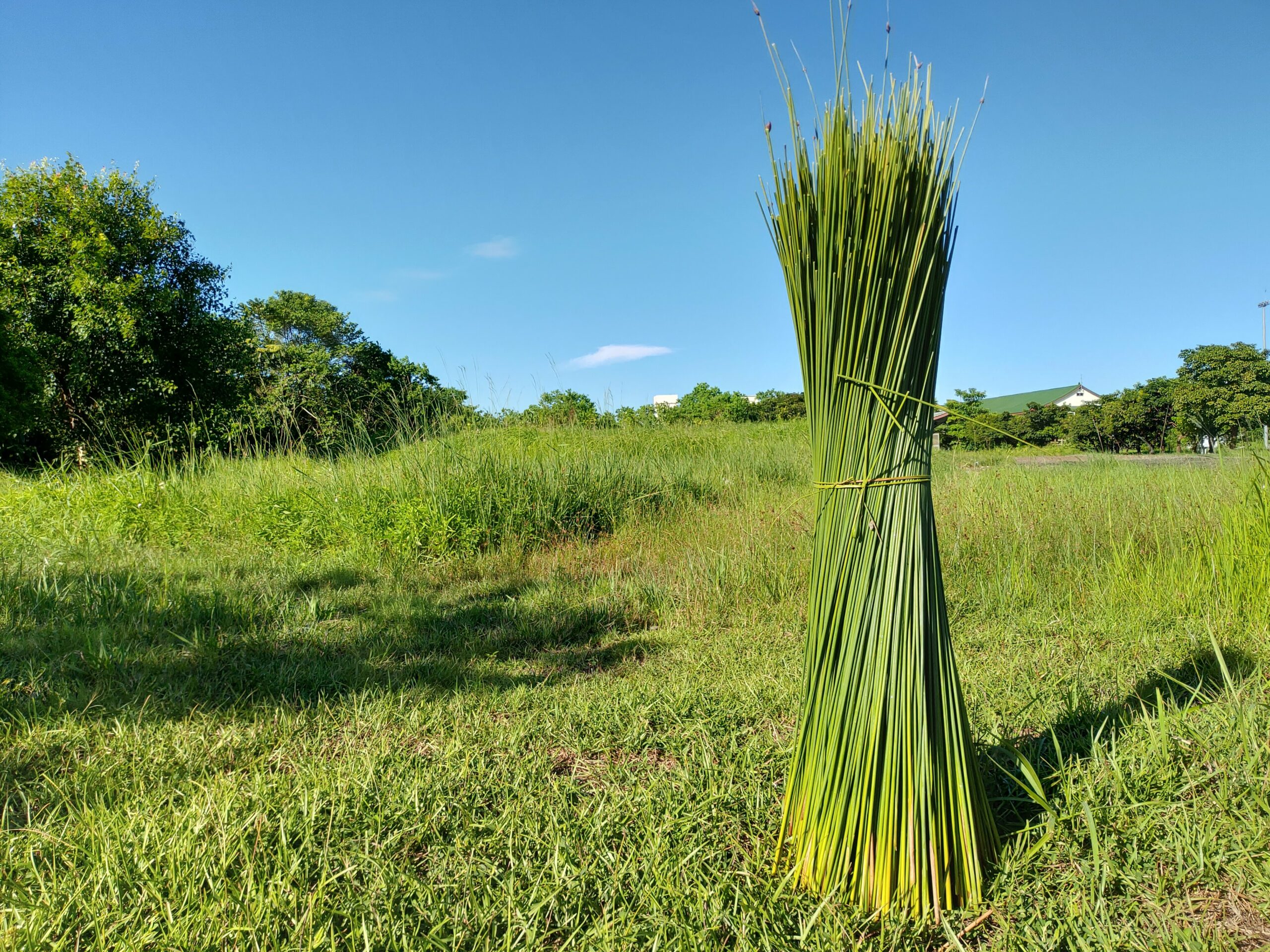
plant straw, sourced from aquatic plants, featuring a natural silica-based waterproof coating, requires no chemical processing or adhesives. Its naturally hollow structure eliminates the need for cutting or reshaping. Best of all, grass straws "can naturally decompose like a fallen leaf".
It naturally decomposes in the environment without leaving any microplastics, making it a safe choice for both health and the planet. Offering an excellent alternative to plastic, it stands out as an ideal member of eco-friendly tableware.
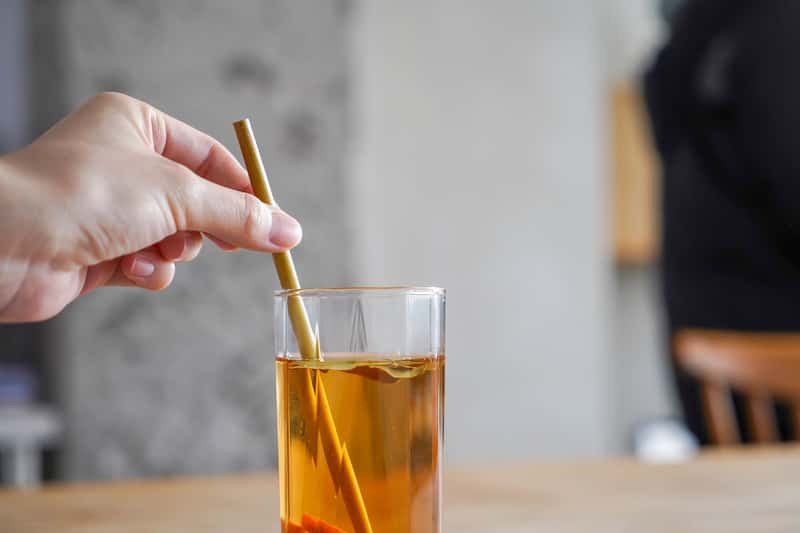
Your choice isn’t just eco-friendly—it shapes the future!
From now on, let’s reduce plastic while protecting our health and the planet.
Every purchase is a future investment.Don’t let “eco-friendly” myths block real safety!
蒲草吸管是用一種叫做 蒲草(Lepironia Articulata) 的植物,直接裁切、烘乾後做成的。蒲草本身具有天然的中空結構與堅韌纖維,因此天生就長得像吸管,不需要加工,也沒有任何添加物。保留了植物原本的顏色、紋路和粗細,所以每一支都是獨一無二的存在。
其實蒲草以前常拿來做榻榻米,如今變成更環保的日常選擇。
蒲草吸管從採收到成品,全程使用天然工法,不添加任何化學藥劑。製作流程包含:
1.清洗淤泥:去除泥沙與雜質
2.裁切成吸管長度:依飲料店常用尺寸製作
3.去除外膜:提升潔淨度與使用手感
4.烘乾脫水:確保耐用度並避免發霉
5.紫外線+臭氧雙重消毒:達到食品級安全
這樣的製程讓蒲草吸管保持自然原始的狀態,沒有塑膠、沒有加工物質,也因此每根吸管的紋路、顏色都略有不同,是天然產品的特色。
植物吸管通常指由「整株植物」直接做成的吸管,例如:蒲草吸管、小麥吸管、竹吸管、蘆葦吸管。
植物纖維吸管則是將「植物纖維打成粉、加入生物塑膠(PBS、PLA 等)」再製成吸管,本質上仍是塑膠製品,例如:甘蔗渣吸管、咖啡渣吸管、茶葉渣吸管、玉米渣吸管。
Grass straw是由天然植物(蒲草)直接裁切、烘乾後製成,不含塑膠、無化學添加,使用後能在自然環境中分解。
biodegradable straws(例如 PLA、PBS、植物纖維吸管)多半是以生物塑膠或部分植物澱粉再加工製成,需要特定的工業堆肥環境才能分解,在自然環境中通常不會真正消失。
指的是企業或品牌,透過「誇大、模糊或不實」的行銷手法,讓消費者誤以為其產品或服務對環境非常友善,但實際上對環境的效益卻微乎其微,甚至根本沒有。
References:
- ETtoday
- CommonHealth
- HealthNews