From high peaks to the depths of the ocean, plastic is everywhere — even in the air we inhale and the water we consume, leaving traces of microplastics. Silent pollutants are making their way into our bodies, with lasting impacts on both ecosystems and human health. We don’t have to solve the entire problem at once — we can begin in our schools, with small daily habits. By taking intentional actions, campuses can serve as a launchpad for sustainability, shaping a brighter future for the Earth.
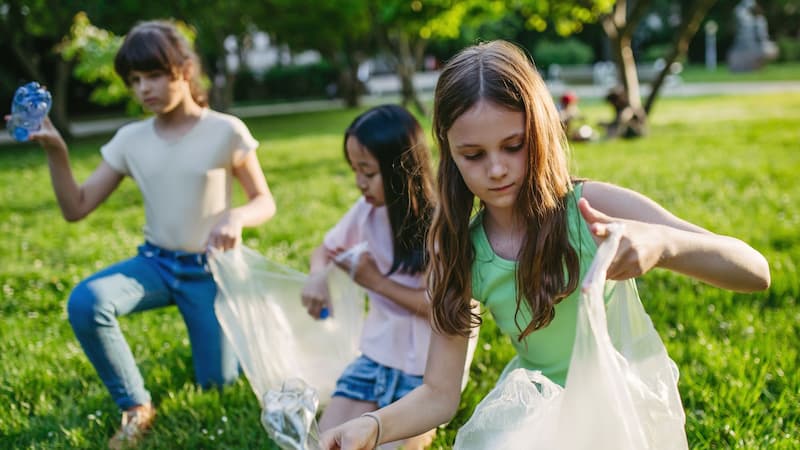
Here are 4 concrete and doable ways to foster a culture of sustainability — simple for teachers and students alike to put into action.
1. Semester-long sustainability courses extend learning from school to home

Environmental sustainability education should be an ongoing and comprehensive process. Instead of just "enforcing restrictions", solid education helps everyone grasp "why such measures are important".
- Course Design: Schools can plan at least one class per semester Theme-based environmental education. The content should go beyond the harms of plastic, covering topics such as the sources and impacts of microplastics, the latest recycling regulations, eco-friendly consumer choices, and sustainable living practices.
- Encourage Bringing Your Own Tableware: Make bringing reusable tableware part of classroom practice, helping students adopt sustainable habits from daily routines.
- Educational Outreach: Encourage students to create a "family eco checklist" and share it at home. By empowering them, sustainability concepts can spread from school to home, creating a positive cycle of knowledge and changing daily habits.
- Expert Talks: Regularly invite environmental organizations, academic experts, or sustainable brands to share hands-on experiences in an engaging way, deepening the audience’s awareness of environmental issues.
2. Reward eco-friendly behavior to make green actions routine
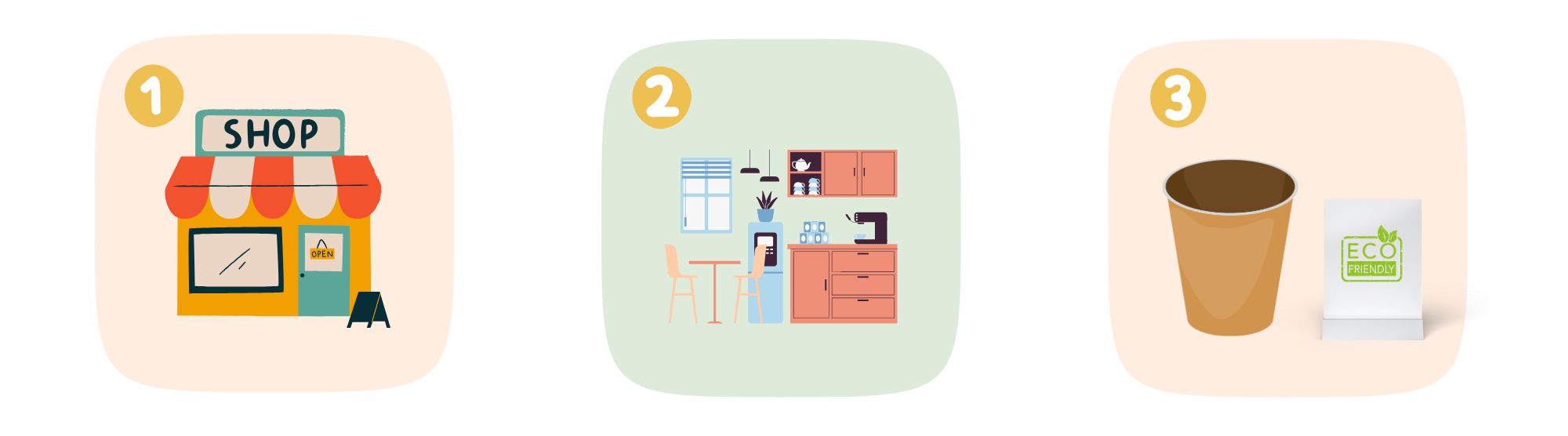
Sustainability shouldn’t feel like a chore — it should be an easy and rewarding choice. Foster the habit of using personal reusable cups and straws. The most effective approach is through positive reinforcement.
- Work with Nearby Stores: Collaborate with schools or nearby stores and restaurants to offer discounts or loyalty points to customers who bring their own reusable tableware.
- Set Up an "Eco-Friendly Station": Set up a prominent “Sustainability Corner” in school or office cafeterias, pantries, or stores. Offer or sell natural, biodegradable alternatives like grass straws.
- Clear Communication: Set up clear signs at every station to show why these eco-products were selected and their advantages. Guide proper recycling or disposal.
This way, consumers can see how each green choice contributes to the environment.
3. Launch campus and community eco-challenges to spark creativity and pride

Traditional class advocacy may fall short. Fun, interactive competitions can spark students’ creativity and pride, making eco-friendly practices both enjoyable and challenging.
- Creative Sustainability Challenge: Schools can launch competitions like "Plastic Bottle Creations" , "Eco Slogan Design" or "Upcycling Challenge" giving students the chance to express their creativity while exploring environmental issues.
- Sustainable Project Competition: Encourage students create project proposals for real-world campus sustainability solutions, like setting up a food-waste recycling system or hosting a zero-waste school fair.
- Encourage Join External Competitions: Expand the scope beyond campus by providing resources or guidance, encouraging students to enter sustainability or science competitions and bringing their on-campus projects to the wider community.
4. Organize outdoor field trips to take sustainability education beyond the classroom
"Seeing is believing", when students move beyond the class and witness environmental issues firsthand, the impact is far greater than anything a textbook can offer.
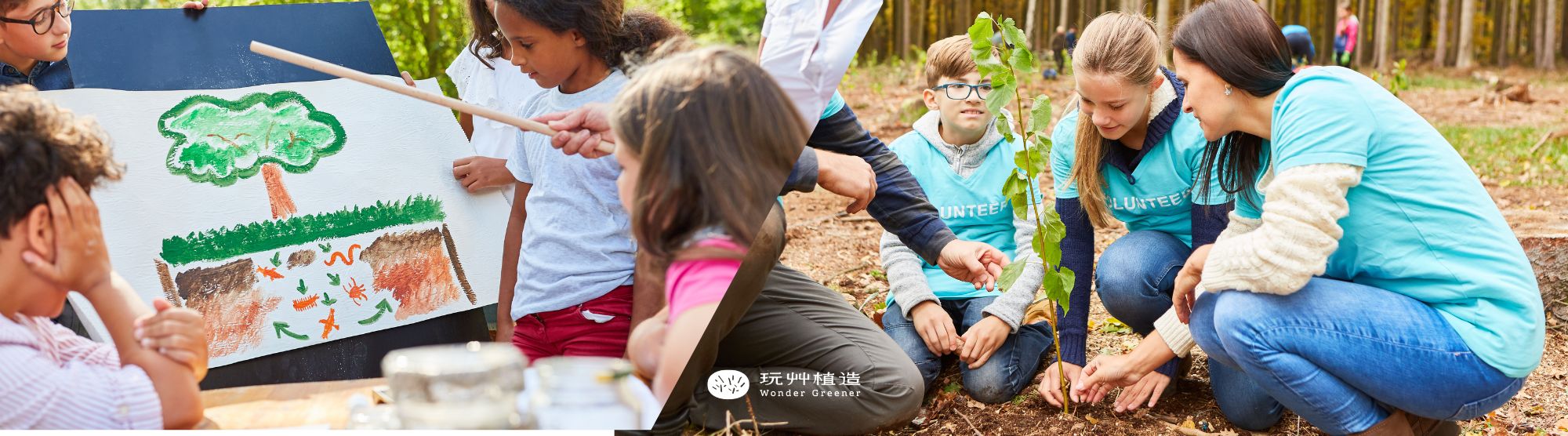
Schools and companies can organize regular field visits, bringing students or employees to places such as:
- Incineration Plants: See firsthand where waste ends up and how resource recovery works. It’s a powerful reminder that every piece of trash carries a real cost — source reduction matters.
- Environmental Education Centers: Through interactive exhibits, students can learn about resource circulation and ecological conservation. At the New Taipei Environmental Education Center, they can even pedal a bike to generate electricity — a direct way to experience the value of clean energy.
- Green Buildings or Sustainable Businesses: Learn how companies integrate sustainability into building design and daily operations, making abstract corporate social responsibility (CSR) tangible.
These hands-on experiences fundamentally inspire participants’ sense of environmental responsibility and spark their imagination for future possibilities in sustainability.
Sustainability on Campus: Daily Life Creativity
The appeal of sustainability education lies not only in theory but also in practical, everyday applications. Many excellent sustainability topics allow teachers and students to explore endless creativity in daily life, such as:
- Waste Reuse: Transform banana fiber waste into paper, or recycle plastic bottles into shoes and bags, giving discarded materials a new life.
- Ingenious Use of Natural Materials: Use black soldier flies to process food waste, or discover that coffee pulp can be brewed as tea, reducing overall waste generation.
And Grass straw正是其中一個絕佳的「永續教育題材」。它不僅提供了一個可分解的環保方案,更因為其天然材質的特性,成為許多老師和學生動手實作的創意來源。它的出現,讓大家意識到,永續的解決方案可以很簡單、很天然,並能激發無窮的創意。
A Single Grass Straw, whole Sustainability Story
Grass straws: more than an alternative, a complete story of sustainability.
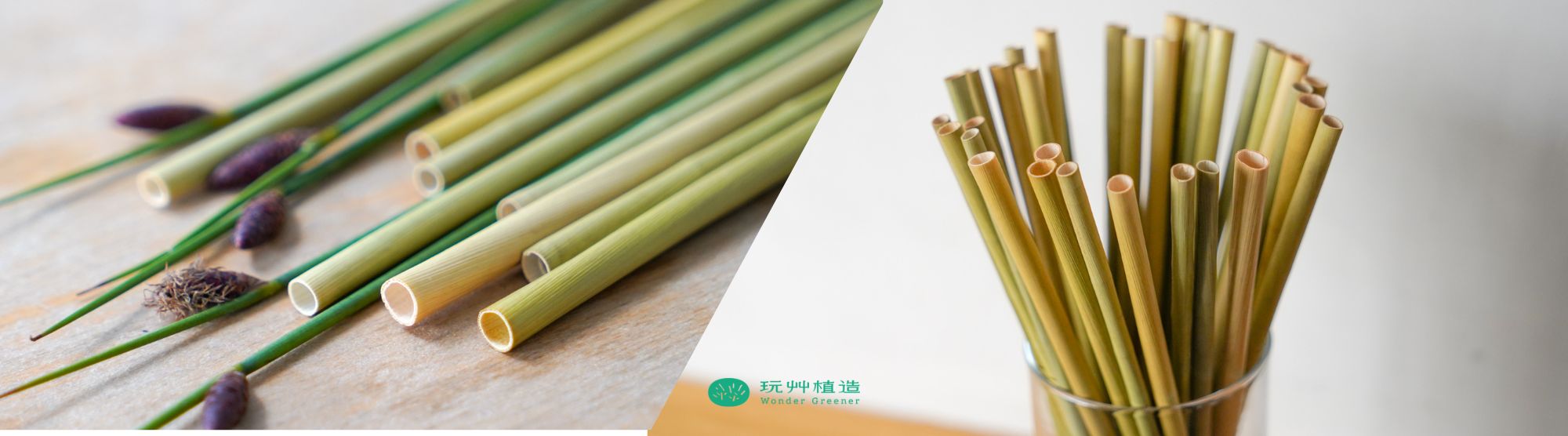
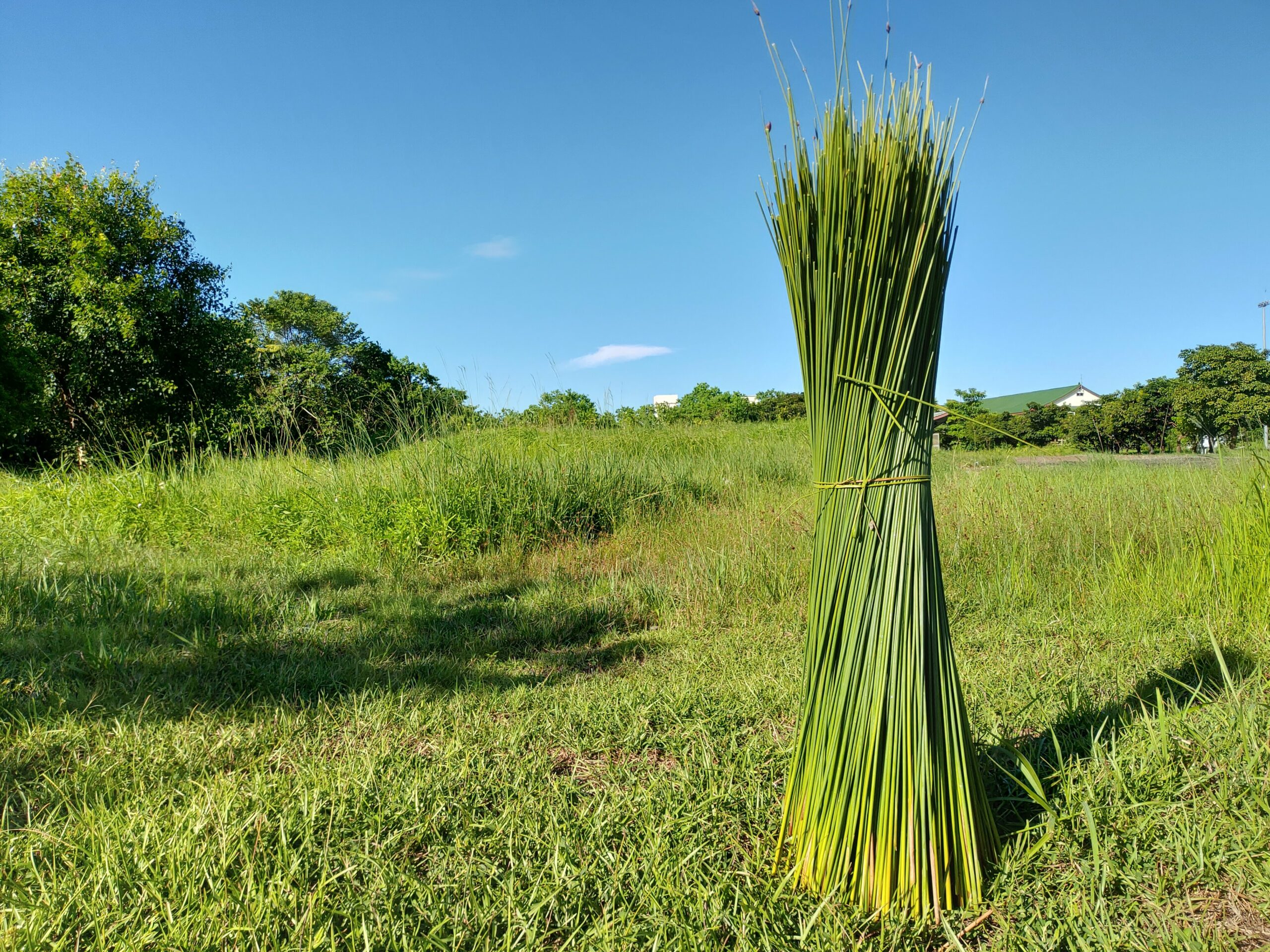
- Natural Materials & Sustainable Cultivation: Grass grows in natural wetlands and is cultivated without pesticides, insecticides, or herbicides, protecting both the health of the land and the farmers.
- Simple Processing & Natural Properties: Grass undergoes simple processes such as washing, cutting, and drying to become ready-to-use straws. They remain firm for at least eight hours, effectively replacing plastic straws. Although single-use, they fully decompose in nature without leaving any microplastics, making them a truly
eco-friendly choice. - Protecting Ecosystems & Returning to Nature: After use, grass straws can be safely discarded into compost or buried in soil, returning to nature. During cultivation, grass fields also provide habitats for birds, insects, and other wildlife, achieving both ecological and economic harmony.
This small straw perfectly embodies the sustainability principle of “from the land, back to the land,” showing that eco-friendliness and everyday convenience are never mutually exclusive.
Start with a Straw, Create a Sustainable Future
Start with one straw and turn these ideas into action.
Let’s build a truly sustainable green future for our schools, businesses, and society.
蒲草吸管從採收到成品,全程使用天然工法,不添加任何化學藥劑。製作流程包含:
1.清洗淤泥:去除泥沙與雜質
2.裁切成吸管長度:依飲料店常用尺寸製作
3.去除外膜:提升潔淨度與使用手感
4.烘乾脫水:確保耐用度並避免發霉
5.紫外線+臭氧雙重消毒:達到食品級安全
這樣的製程讓蒲草吸管保持自然原始的狀態,沒有塑膠、沒有加工物質,也因此每根吸管的紋路、顏色都略有不同,是天然產品的特色。
蒲草吸管最大的不同在於:它是真正的天然植物本體,而不是加工製品。
因此在原料、製程、使用體驗與環境影響上,都和其他一次性吸管完全不同。
1.原料差異最大——天然 vs. 加工
- 蒲草吸管:整株蒲草的莖。
- 紙吸管:紙漿+黏著劑+防水劑。
- PLA / PBS 吸管:植物澱粉+塑膠原料再加工。
- 植物纖維吸管:植物粉+可分解塑膠混合而成。
- 塑膠吸管:石化塑膠。
2.製程加工程度不同——低加工 vs. 高加工
- Grass straws:
清洗 → 裁切 → 去膜 → 烘乾 → 消毒(全程無化學) - 其他吸管:
需要加熱、造粒、擠壓、成型、塗層等多道加工程序。
紙吸管:原料來源不明、製造過程更耗能、黏著劑/防水塗層可能會溶解,且無法回收。
PLA吸管:在自然環境無法被分解,只能在「工業環境高溫高濕度下」分解,現有回收體系無法處理。
指的是企業或品牌,透過「誇大、模糊或不實」的行銷手法,讓消費者誤以為其產品或服務對環境非常友善,但實際上對環境的效益卻微乎其微,甚至根本沒有。