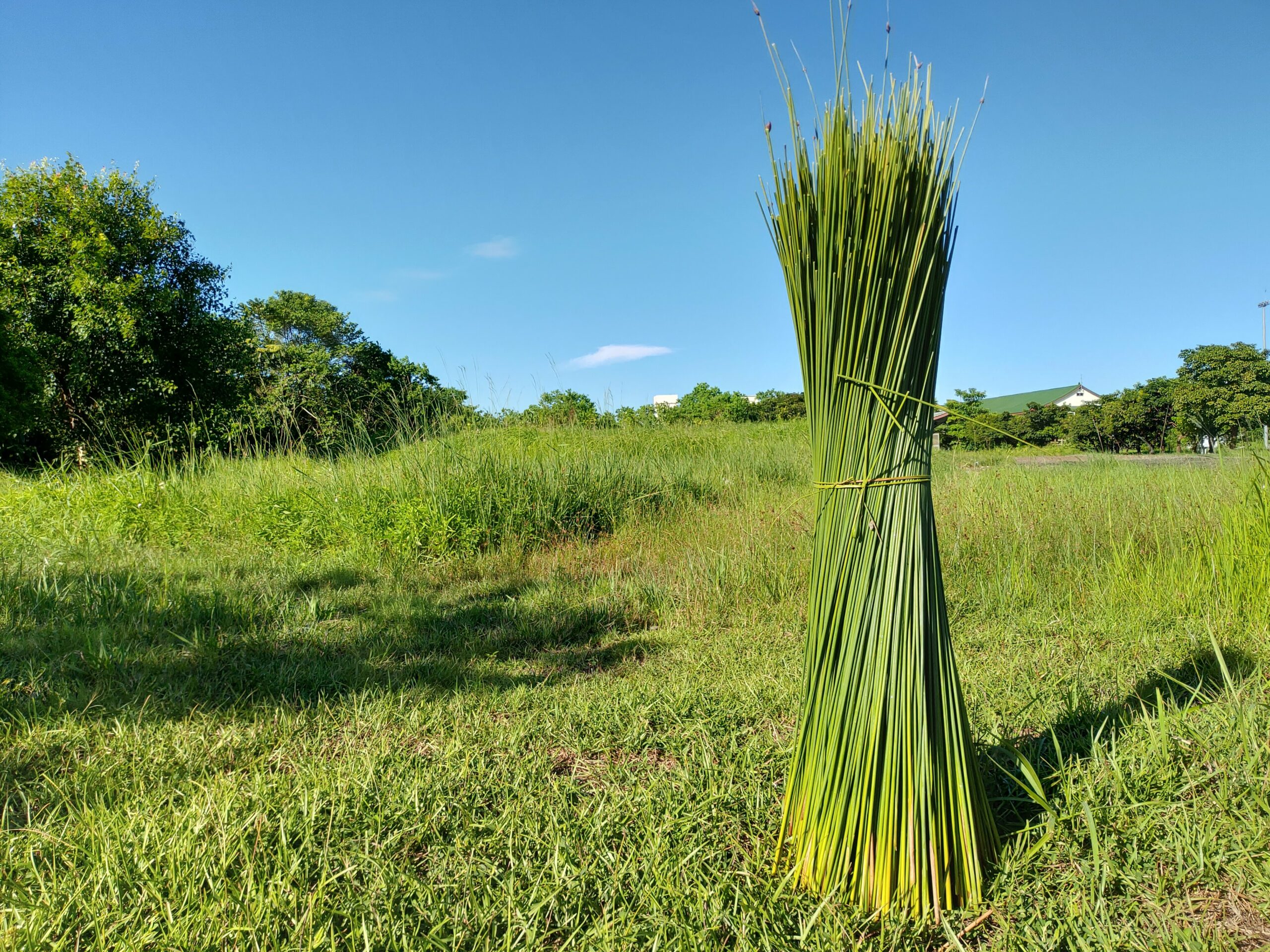
In today’s sustainability-focused world, our choices shape the future — yet even the straw in your hand can quietly contribute to environmental harm. Traditional plastic straws aren’t just persistent waste; over time, they break down and spread into our oceans, soil, and daily lives as "nanoplastics". They seep into our oceans, our soil, and even our bloodstream—becoming a silent threat to ecosystems and human health. Just as we search for relief from this plastic curse, nature offers an alternative—a quiet but powerful solution : "Grass Straw" . With its inherently natural advantages, cuts through the looming environmental doom. But what exactly is this unassuming plant-based straw? Could it be the breakthrough that finally ends our dependence on plastic—reshape our relationship with the environment for good?
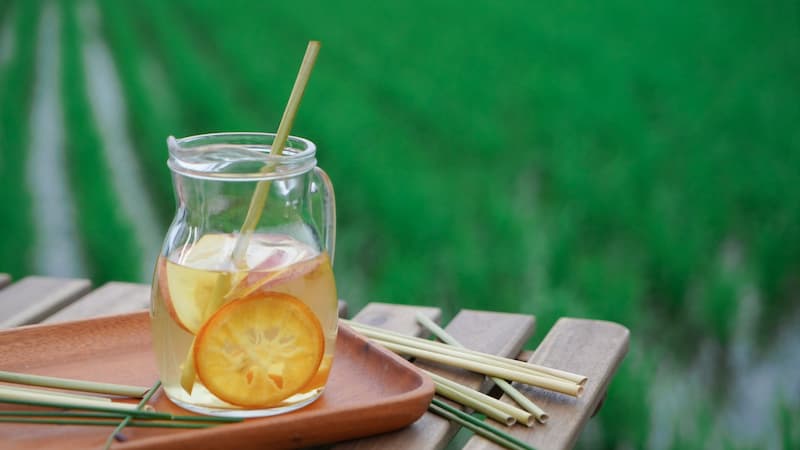
What Are Grass Straws? A Natural Solution Born from the Field and Returned to the Earth
"Grass Straw" True to their name, grass straws are made from dried plant stems, serving as single-use straws. These plant-based straws come from sustainably grown, time-honored natural resources.
【Grass Reeds : Botanical Background and Taiwan Roots】 Many people may be unfamiliar with grass reeds, but in Taiwan and across Asia, they have long been a familiar presence. Grass reeds, scientifically known as "Lepironia". Belonging to the Cyperaceae family, grass reeds are a genus of perennial herbaceous plants. They have woody, creeping rhizomes with upright, densely clustered stems, transverse diaphragms inside, and lack prominent leaves. In Taiwan, species of the Scirpus genus were historically common agricultural resources and were even used for weaving tatami mats Grass reeds have a deep-rooted historical connection to human life. They are widely distributed across Guangdong and Hainan in China, Taiwan, Madagascar, and from the tropical regions of Asia extending to tropical Oceania.
【Grass Straws : Natural Sourcing and Craftsmanship】 From the fields to our drinks, the journey of grass straws is rooted in nature and sustainability. Grass reeds are cultivated following their natural growth cycles, requiring minimal human intervention. Notably, their cultivation requires no pesticides or herbicides. This creates a very clean growing environment. Such a pristine ecosystem not only supports local wildlife and biodiversity but also safeguards the health of the farmers, preventing them from harm caused by chemical exposure.
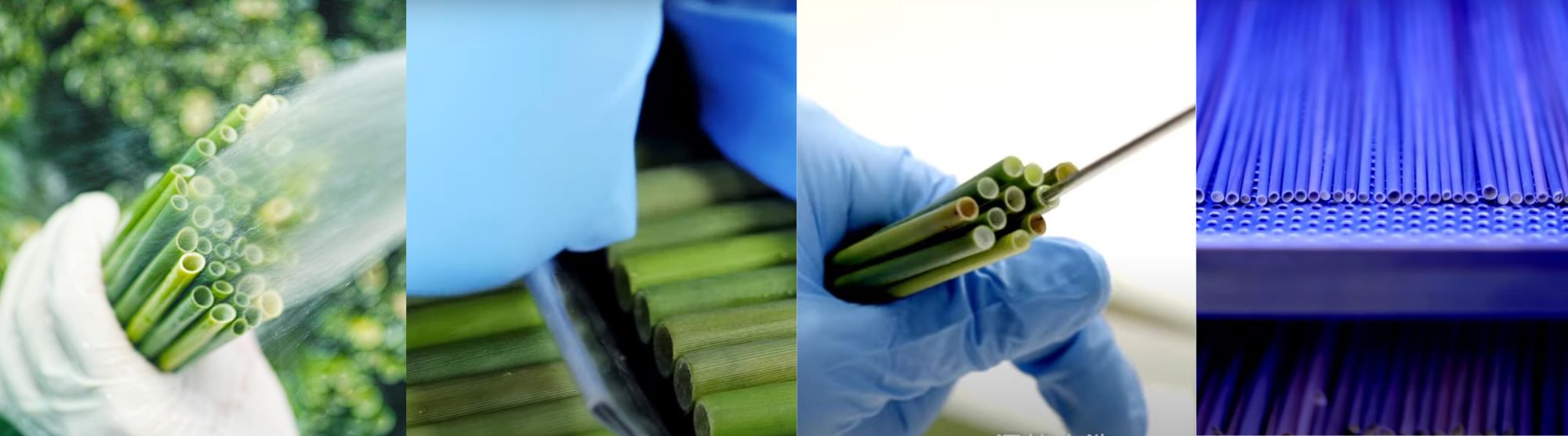
Once the grass reeds reach maturity, they are manually harvested. The stems then undergo a series of physical processes using natural methods, including : washing, trimming, hollowing, drying, and sterilization. This process involves purely physical treatment, without any chemical additives or synthetic agents. It's resulting in a truly safe, plastic-free straw. This commitment to natural processing not only significantly reduces carbon emissions but also thanks to its carbon-sequestering properties, contributing to carbon reduction. As an agricultural resource, the cultivation and use of grass reeds directly support local farming and rural development, injecting new vitality into small-scale agriculture and serving as a tangible example of community revitalization.
【Grass Straws: Characteristics and Why They Are Single-Use?】 The key feature of grass straws lies in their natural, unprocessed nature. They retain the inherent structure of plant fibers, which provides :
- Absorbency : Because they are made entirely of natural plant fibers, the inner walls of grass straws naturally absorb liquids, especially noticeable with drinks containing pigments or oils.
- Not Durable for Cleaning : Due to the absorbent nature of their plant fibers, liquids cannot be thoroughly cleaned. Repeated washing not only makes it difficult to fully remove internal residues but also damage the straw’s structure, shortening its lifespan.
- Bacterial Growth : For hygiene and safety, once exposed to saliva, grass straws can harbor bacteria. Combined with leftover beverage residues, repeated use can create a breeding ground for bacteria, posing health risks.
- Regaining Flexibility : Grass straws may be relatively stiff when dry, but immersing them in water restores their natural flexibility, providing a more natural texture.
- Durability in Use : Although not reusable, grass straws still offer excellent durability, lasting for at least 8 hours, sufficient to cover the typical duration of most beverages.
Therefore, grass straws not Recommended for Reuse and it's recommended to discard the straw after a single use. This guidance is based entirely on its natural material properties and hygiene considerations.
How to Dispose of Grass Straws : Best Practice for “Returning to the Earth”
One of the most praised advantages of grass straws is their environmentally friendly disposal. They perfectly embody the “returning to the earth” principle.
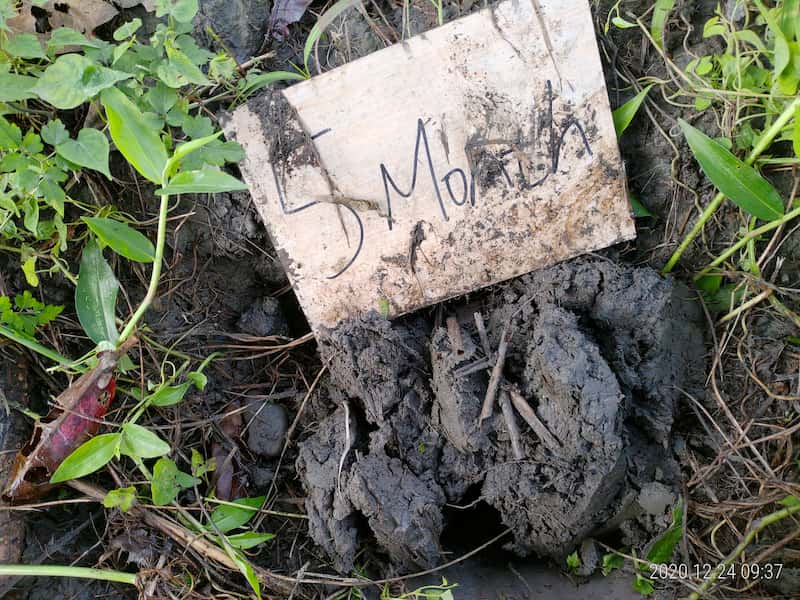
【How to Handle Used Grass Straws】 After using a grass straw, you can :
- Dispose in a compost bin : The most ideal and convenient way is to dispose it in compost bin, break down naturally along with food waste, turn into organic matter.
- Bury in potted plants : If you have potted plants at home, you can bury the straw in the soil, where it will gradually decompose and nourish the plants.
This disposal method fundamentally addresses the issue of traditional plastic straws persisting in the environment, enabling a complete product life cycle and making a tangible contribution to plastic reduction.
Why Grass Straws Are Good for the Planet ?
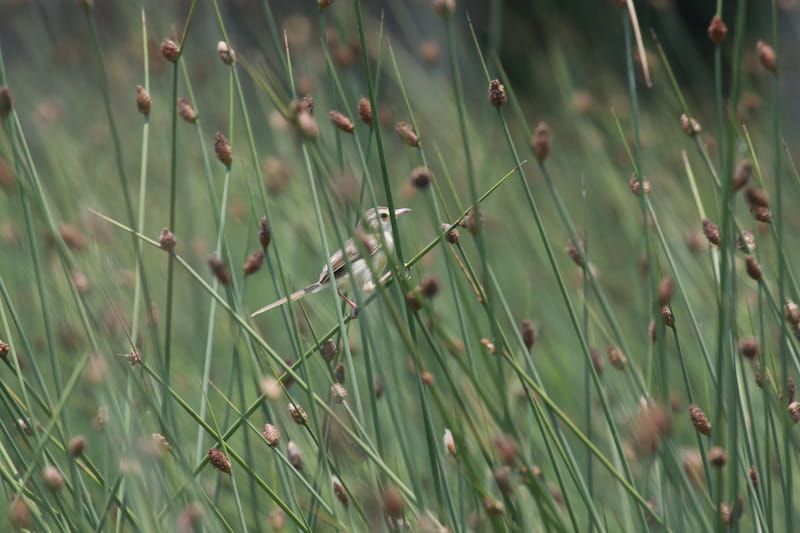
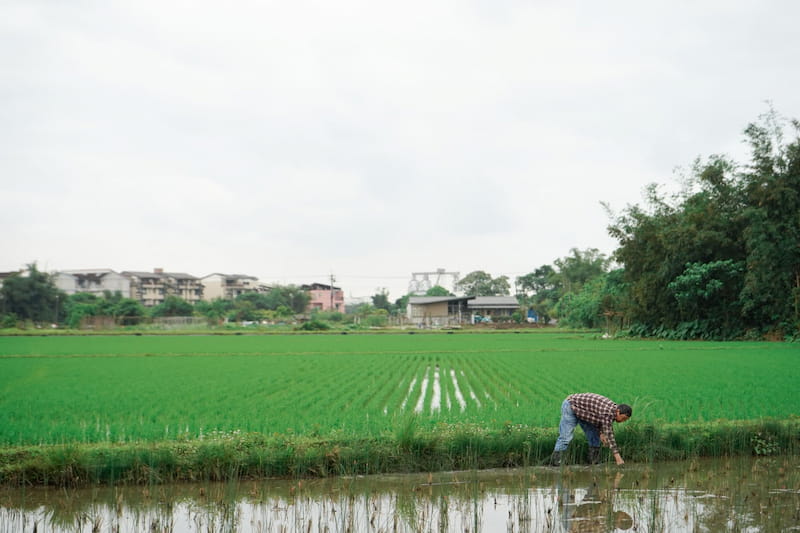
The benefits of grass straws go beyond post-use disposal—they extend throughout the entire life cycle, making them an exceptionally eco-friendly choice.
- Truly plastic-free and highly safe : The production of grass straws relies entirely on natural, all-physical processing. Only relying solely on physical processes such as washing, cutting, hollowing, drying, and sterilization without any chemical additives or synthetic agents. This ensures it is a truly safe, plastic-free straw, free from chemicals and microplastics, giving consumers complete peace of mind.
- Excellent user experience with a plastic-like feel : Although made from natural materials, grass straws deliver an excellent user experience. They feel similar to plastic straws, making them easy for traditional straw users to adapt to. More importantly, they remain durable for at least 8 hours and regain their natural flexibility when immersed in liquid, ensuring a stable and comfortable drinking experience.
- Low Carbon Footprint and Carbon Reduction Benefits : During cultivation, cattail absorbs significant amounts of CO₂ through photosynthesis, acting as a carbon sink and helping reduce greenhouse gases in the atmosphere. Combined with its simple production process that requires minimal energy and emits very low carbon, grass straws are genuinely a carbon-reducing product.
- Prevents microplastic pollution : Made from 100% natural materials, grass straws fully decompose after use, leaving no harmful microplastics behind, effectively protecting oceans, soil, and drinking water while safeguarding ecosystem health.
- Biodiversity & Soil Health : Since grass cultivation requires no pesticides or herbicides, its clean growing environment supports wildlife and enhances biodiversity. At the same time, grass contributes organic matter to the soil, can confirmed in Biodiversity Report.
- Protecting Farmers’ Health & Supporting Local Economy : Friendly Cultivation Protects Farmers & Boosts Local Economy The sustainable cultivation of grass protects farmers’ health, while the development of the grass industry creates new economic opportunities for local agriculture. By choosing grass straws, consumers also support community sustainability and rural revitalization.
Corporate & Social Sustainability: ESG Benefits and SDG Impact of Grass Straws
Choosing grass straws not only reflects individual environmental awareness but also provides companies a tangible way to practice corporate social responsibility (CSR) and achieve ESG impact.
- Aligned with the Sustainable Development Goals (SDGs) : The promotion and use of grass straws directly contribute to several United Nations Sustainable Development Goals (SDGs), particularly : SDG 11(Sustainable Cities and Communities) emphasizing resilient and sustainable urban and rural development. SDG 12(promoting responsible consumption and production) , encouraging sustainable management and efficient use of resources. SDG 15 (protection and restoration of terrestrial ecosystems), protect, restore, and promote the sustainable use of terrestrial ecosystems. These can all be presented as quantifiable data in sustainability reports.
- Enhancing Brand Image & Green Marketing : Using grass straws signals a company’s commitment to environmental responsibility, helping build a positive brand image. Through green marketing, it attracts sustainability-conscious consumers, opens opportunities for social innovation awards, and strengthens market competitiveness.
- Promoting Environmental Education : Grass straws themselves serve as a tangible environmental education tool, allowing people to learn the value of sustainable products and the importance of eco-friendliness in daily life—aligning perfectly with the principles promoted by Taiwan’s Green Mark.
Every choice shapes the future of our planet.
Grass straws are more than just a drinking tool; they serve as a bridge connecting plastic reduction, carbon sequestration, support for local farming, and promotion of social well-being and rural development. It showcases the immense potential of agricultural products in driving sustainable development, while offering businesses a new pathway to fulfill corporate social responsibility and enhance ESG impact.
One choice can change the fate of the world
A grass straw is more than just a straw—it’s your commitment to the environment, local farmers, and a better future.
Let’s replace the everlasting plastic pollution with the most natural return to the earth.