Have you ever imagined that the weight of a plastic spoon might be hidden inside your brain? This is not the plot of a terrifying sci-fi movie, but the reality of microplastics being omnipresent. Early this year (2025), a study published in the Nature Medicine journal triggered global panic. The research found that the weight of microplastics in the brains of some test subjects was as high as 7 grams,相當於「一根塑膠湯匙的重量」。最令人震驚的是,「失智症患者」大腦中的塑膠微粒含量,甚至比一般人10 times higher than in the general population. From the air we breathe and the water we drink to the food we eat, microplastics have long permeated every corner of our lives. When external plastic pollution seems uncontrollable, how should we protect ourselves? Today, I want to discuss this health truth that we must confront.
Part I: Unseen Plastic Is Deadlier Than You Think
We often think that as long as we throw plastic into the trash can, the problem is solved.
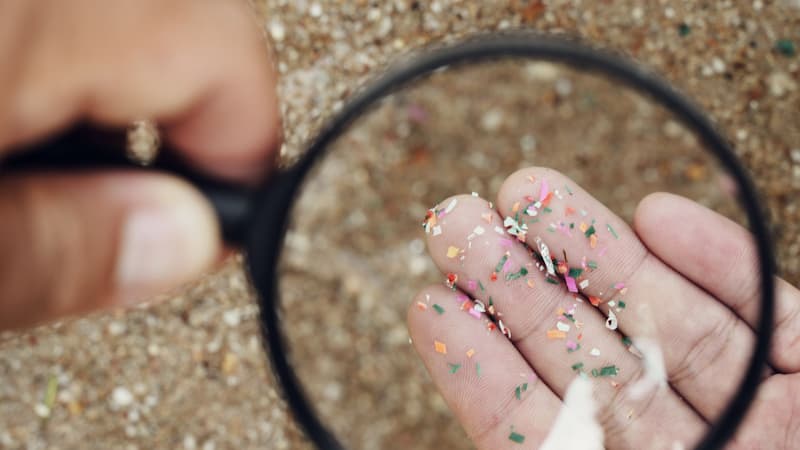
But the fact is, these plastics continuously fragment, turning into microplastics that are virtually invisible to the naked eye.
They are like omnipresent invaders, thinner than a strand of hair and even smaller than cells, allowing them to easily penetrate our body barriers. What's more terrifying is that the "shape" of microplastics is not the smooth sphere we might imagine; they are mostly irregular, angular fragments with rough surfaces.
- Toxin Carriers, Intensifying the Danger: These rough surfaces possess extremely high adsorption capabilities. They act like magnets, firmly attracting and holding toxic substances in the environment, such as heavy metals and dioxins. When these toxin-carrying microplastics enter our bodies, they may potentially affect the cardiovascular, nervous, and immune systems, as well as reproductive development, becoming the greatest potential threat to health.
According to data from the National Health Foundation, scientists have discovered that microplastics may be linked to health problems such as cardiovascular diseases, fatty liver inflammation, and neurological dysfunction. The research cited earlier urges us to confront the potential threat of microplastics to our brains.
- The Warning Bell of Scientific Research:
- Metabolic Abnormalities and Fatty Liver: Animal experiments led by Professor Chun-Jen Cheng showed that after mice ingested microplastics, they were deposited in multiple organs within just one month, leading to abnormalities in blood sugar and triglycerides, elevated liver function indicators, and even triggering Metabolic Abnormalities and Fatty Liver.
- Cardiovascular Disease Risk: A study published in The New England Journal of Medicine (2024) pointed out that patients whose internal carotid artery plaques tested positive for microplastics had a risk of suffering from a heart attack, stroke, or death as high as 4.5 times that of patients who tested negative.
- Brain Accumulation and Alzheimer's: The study published in Nature Medicine (2025) surprisingly found that the microplastic content in the brains of some test subjects was as high as 7 grams, and the content was 10 times higher in the brains of Alzheimer's patients. Although the causal relationship is still under investigation, the fact that microplastics can penetrate the blood-brain barrier and accumulate long-term is an undeniable health truth.
Part II: The "Plastic Poison" Trap in Our Daily Lives, An Unconscious Health Risk
How do microplastics silently infiltrate our bodies? The answer is often hidden in our most accustomed daily habits.
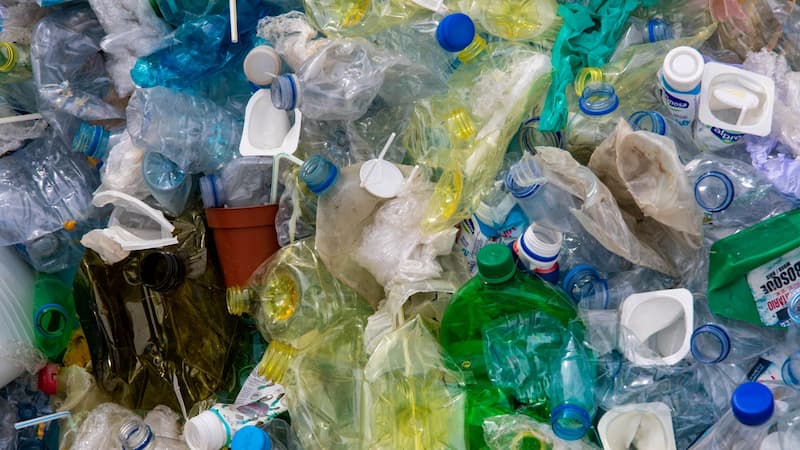
- The Trap Entering Through the "Mouth": Research has found that the primary route for microplastics entering the human body is through food served in plastic products. Especially when you use a plastic cup for hot coffee or a plastic bowl for hot soup, the release of microplastics increases significantly. Some plastic products even release microplastics at room temperature. Those seemingly convenient single-use utensils are actually quietly bringing toxins into your body.
- The Ubiquitous Living Environment: Aside from food, microplastics are also hidden in every corner of our lives. They are in the tap water you drink; the synthetic fiber clothing you wear releases them during washing; and even your home's floor mats, toys, and decorations can be sources of them.
Facing the reality of this plastic pollution, we must re-examine our lives and reduce microplastic exposure at the source.
Part III: Smart Self-Protection: Start a "Plastic-Free" Life and Say Goodbye to Health Traps
Facing the threat of microplastics, we may not change the world overnight, but we can start with daily habits to protect our health.
The Path to Self-Protection: Changing Habits First
- Smart Container Choices: This is the most basic form of protection. Try to avoid using plastic containers for hot food, and switch to materials like glass, stainless steel, or ceramic, which can effectively reduce the release of microplastics.
- Replacing Single-Use Utensils: Bringing your own reusable utensils when going out is a good habit, but we must also face a reality: If you buy reusable utensils but set them aside because they are inconvenient to clean or you often forget to bring them, then these items will eventually become another form of waste.
We agree that 'reusing' is core to sustainability, but if your lifestyle makes consistent use hard, "single-use" isn’t entirely unforgivable.
When "Single-Use" Can Also Be a Smart Solution
If you often forget reusable utensils or feel too lazy to clean them but still want to help the planet, we’d like to introduce a different option: Grass straw.

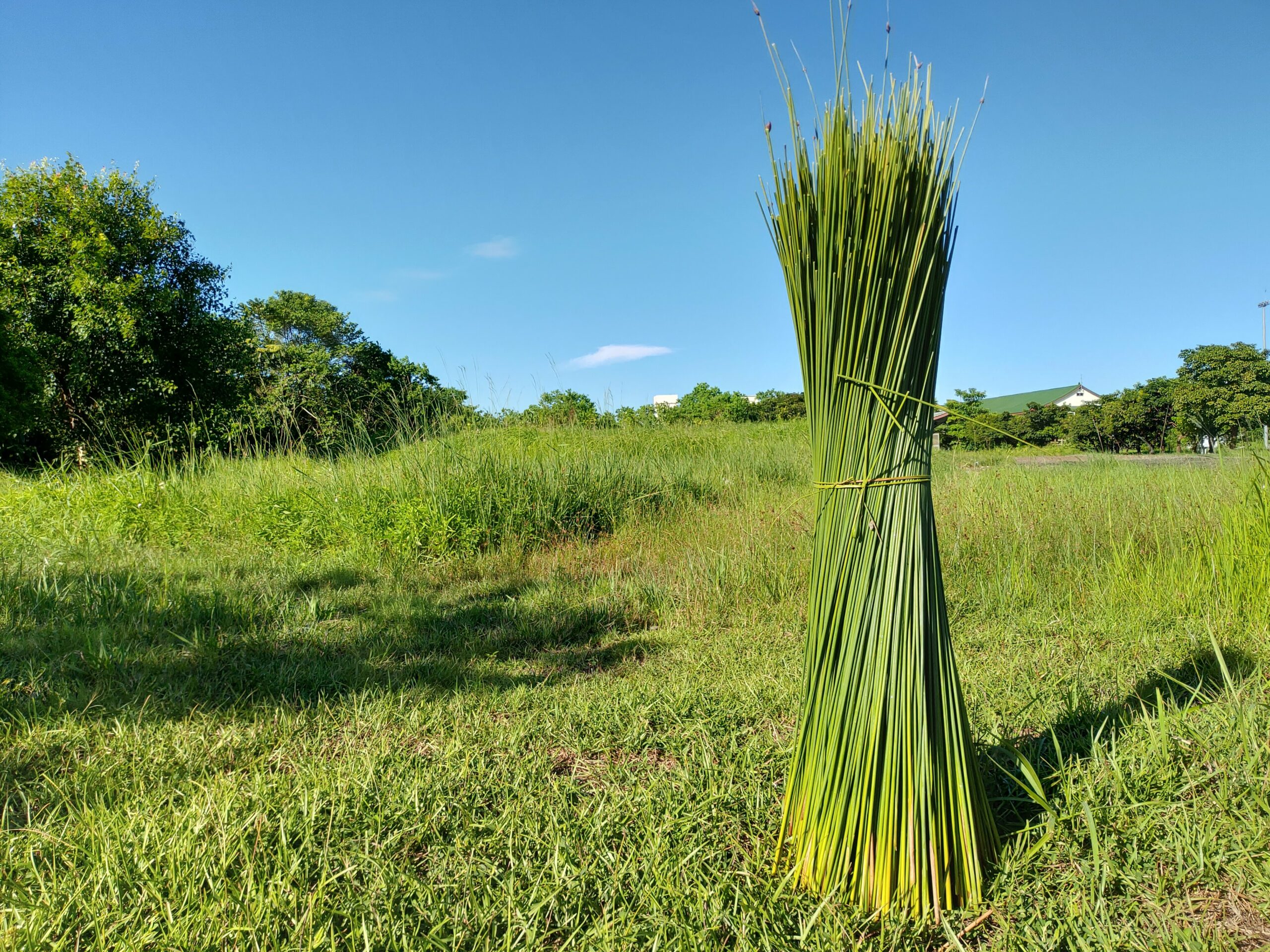
It does not belong to any plastic family and contains no chemical additives, as it is made from pure natural sedge grass. When you use it, you don't need to worry about microplastics leaching out, because it is simply a "plant." The value of this straw lies in its perfect balance of "convenience" and "environmental protection"」、它提供了一次性的方便,同時又對環境零負擔。用完之後,它能naturally decomposes and return to the soil.
Choosing grass straws is not just about reducing plastic, but also a commitment to one's own health. It proves that environmental protection is not a burden, but a smart choice that can easily integrate into life.
Goodbye to Health Traps Starts with Smart Choices
When microplastics are ubiquitous, self-protection is urgent.
Instead of worrying about unseen health risks, start with the simplest habit change.
Choose a natural gift that’s gentle on the body and protects your family’s health.
蒲草吸管是用一種叫做 蒲草(Lepironia Articulata) 的植物,直接裁切、烘乾後做成的。蒲草本身具有天然的中空結構與堅韌纖維,因此天生就長得像吸管,不需要加工,也沒有任何添加物。保留了植物原本的顏色、紋路和粗細,所以每一支都是獨一無二的存在。
其實蒲草以前常拿來做榻榻米,如今變成更環保的日常選擇。
蒲草吸管從採收到成品,全程使用天然工法,不添加任何化學藥劑。製作流程包含:
1.清洗淤泥:去除泥沙與雜質
2.裁切成吸管長度:依飲料店常用尺寸製作
3.去除外膜:提升潔淨度與使用手感
4.烘乾脫水:確保耐用度並避免發霉
5.紫外線+臭氧雙重消毒:達到食品級安全
這樣的製程讓蒲草吸管保持自然原始的狀態,沒有塑膠、沒有加工物質,也因此每根吸管的紋路、顏色都略有不同,是天然產品的特色。
不會,蒲草吸管適用於冷飲、熱飲,吸水後反而會「恢復彈性」,可使用 8 小時以上不軟爛。
根據 600 萬人試用回饋:90% 感覺不到味道、10% 喝「水」時覺得有淡淡草香,喝飲料時基本上不會影響風味。
不會。蒲草吸管通過 SGS 與多項國際檢驗,符合農藥與化學物殘留標準,不含添加物。